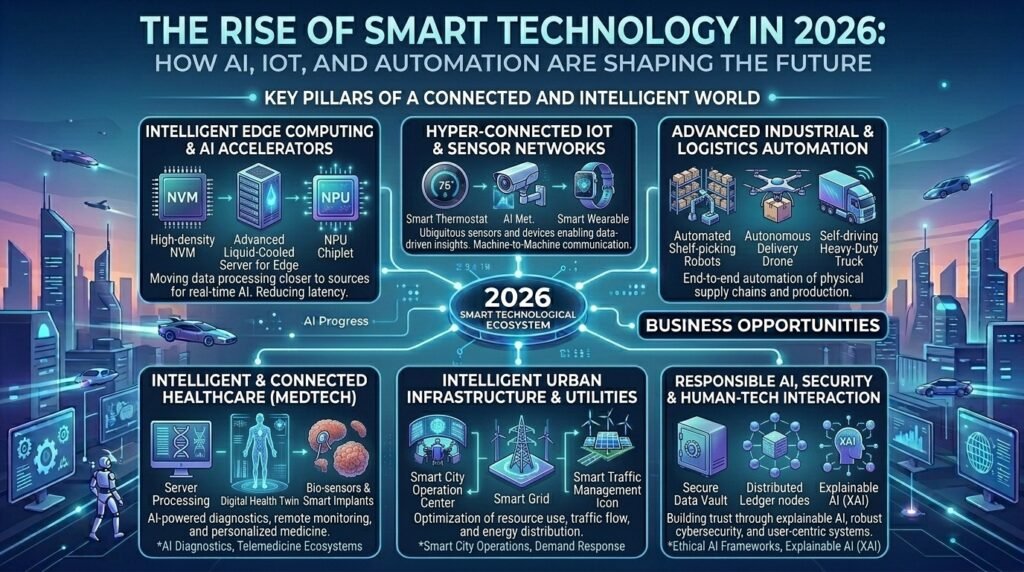
Technology is becoming more intelligent, connected, and automated than ever before. From smart homes and connected devices to AI-powered business systems, smart technology is changing how people live and work. The Rise of Smart Technology in 2026 represents a new era where artificial intelligence (AI), the Internet of Things (IoT), and automation work together to create faster, smarter, and more efficient solutions.
Businesses, governments, and individuals are adopting smart technologies to improve productivity, reduce costs, and create better digital experiences. As these innovations continue developing, they will play a major role in shaping the future.
Understanding Smart Technology in 2026
Smart technology refers to digital systems and devices that can collect data, analyze information, and make intelligent decisions. These technologies use AI, sensors, connectivity, and automation to perform tasks more effectively.
In 2026, smart technology will become more common in industries such as healthcare, transportation, education, manufacturing, and business. The combination of connected devices and intelligent software will create a more efficient digital environment.
Artificial Intelligence Driving Smart Innovation
Artificial intelligence will be one of the main forces behind The Rise of Smart Technology in 2026. AI allows machines and systems to learn from data, recognize patterns, and improve performance over time.
Businesses will use AI-powered solutions for customer service, marketing, data analysis, cybersecurity, and decision-making. AI assistants will help employees complete tasks faster and improve workplace productivity.
As AI becomes more advanced, smart systems will provide more personalized and efficient experiences.
The Expansion of Internet of Things (IoT)
The Internet of Things will play a major role in the growth of smart technology. IoT connects devices through the internet, allowing them to collect and exchange data.
Smart homes, wearable devices, industrial machines, and connected vehicles will become more common in 2026. These devices will help users monitor activities, improve efficiency, and automate everyday tasks.
Businesses will use IoT technology to track operations, manage resources, and improve customer services.
Automation Transforming Business Operations
Automation will continue changing how businesses operate. Companies will use smart automation tools to complete repetitive tasks, manage workflows, and improve efficiency.
AI-powered automation will help organizations reduce manual work and allow employees to focus on more strategic activities.
From automated marketing campaigns to intelligent production systems, automation will become an important part of modern business strategies.
Smart Homes and Connected Living
Smart homes will become more advanced in 2026. Connected devices such as smart security systems, energy management tools, and intelligent appliances will provide greater convenience and efficiency.
AI-powered home systems will learn user preferences and automatically adjust settings to improve comfort and save energy.
Smart home technology will make daily life easier through better control and automation.
Smart Technology in Healthcare
Healthcare will benefit greatly from smart technology innovations. AI-powered medical tools, wearable health devices, and connected healthcare systems will improve patient care.
Smart devices will help collect health information, support remote monitoring, and provide valuable insights for healthcare professionals.
These technologies will make healthcare services more accessible and efficient.
Smart Cities and Intelligent Infrastructure
Cities around the world are adopting smart technology to improve public services and quality of life. Smart cities use connected systems, sensors, and data analysis to manage transportation, energy, and public resources.
In 2026, smart infrastructure will help cities become more efficient, sustainable, and connected.
Technology will support better traffic management, energy conservation, and improved urban planning.
The Role of Smart Technology in Businesses
Businesses will increasingly depend on smart technology to remain competitive. Companies will use AI, IoT, and automation to improve operations and understand customer needs.
Smart systems will help organizations analyze data, predict trends, and create better products and services.
Companies that adopt smart technology will have stronger opportunities for growth in the digital economy.
Challenges of Smart Technology Adoption
Although smart technology provides many benefits, businesses and individuals must consider challenges such as cybersecurity, privacy, and technology costs.
As more devices become connected, protecting data and maintaining security will become essential.
Responsible use of smart technology will help ensure that innovation creates positive results.
Conclusion
The Rise of Smart Technology in 2026 will transform the way people interact with technology. Artificial intelligence, IoT, and automation will create smarter systems that improve efficiency, convenience, and decision-making.
From businesses and healthcare to homes and cities, smart technology will continue shaping the future. Organizations and individuals who understand and adopt these innovations will be better prepared for the next stage of digital transformation.
AI-Powered Smart Systems Becoming More Advanced
One of the biggest developments behind The Rise of Smart Technology in 2026 will be the improvement of AI-powered systems. Artificial intelligence will allow smart devices to understand information, learn from user behavior, and provide more accurate solutions.
Businesses will use intelligent systems to automate decision-making, improve customer experiences, and optimize daily operations. AI will also help smart devices become more responsive and efficient.
The combination of AI and connected technology will create smarter environments where machines can support people more effectively.
Smart Manufacturing and Industrial Automation
Manufacturing industries will experience major changes through smart technology. Factories will use AI, IoT sensors, and automation systems to improve production processes and reduce waste.
Smart machines will monitor equipment performance, predict maintenance needs, and improve operational efficiency.
Industrial automation will help companies increase productivity while maintaining higher levels of quality and accuracy.
Smart Retail and Personalized Shopping
Retail businesses will use smart technology to create better shopping experiences in 2026. AI-powered recommendation systems, smart inventory management, and automated customer support will become more common.
Stores will use data from customer behavior to provide personalized offers and improve product recommendations.
Smart retail technology will help businesses understand customers better and deliver more convenient services.
The Growth of Smart Wearable Devices
Wearable technology will continue expanding as devices become more intelligent and connected. Smart watches, health trackers, and other wearable devices will collect useful information and provide personalized insights.
In 2026, wearable technology will support areas such as fitness, healthcare, communication, and productivity.
The combination of sensors and AI will make wearable devices more powerful and useful.
Smart Transportation and Connected Vehicles
Transportation will become smarter through connected technology and automation. Vehicles will use AI, sensors, and communication systems to improve safety and efficiency.
Smart transportation systems will help manage traffic, reduce delays, and improve travel experiences.
Connected vehicles will communicate with digital infrastructure to create safer and more efficient transportation networks.
The Role of 5G in Smart Technology Growth
Faster connectivity will support the expansion of smart technology. The growth of 5G networks will allow devices to communicate faster and handle larger amounts of data.
IoT devices, smart cities, autonomous systems, and industrial applications will benefit from improved connectivity.
Reliable networks will be essential for creating a more connected digital world.
Smart Energy Management Solutions
Smart technology will help improve energy efficiency in homes, businesses, and cities. Intelligent energy systems will monitor usage and optimize consumption.
Smart grids, connected devices, and AI-powered energy management tools will help reduce waste and support sustainability.
These innovations will play an important role in creating a more environmentally friendly future.
Smart Technology and Remote Work
Remote and hybrid work will continue benefiting from smart technology. Businesses will use AI-powered collaboration tools, automation platforms, and intelligent communication systems.
Smart workplace solutions will help teams manage projects, share information, and improve productivity.
Technology will make it easier for employees to work efficiently from different locations.
Smart Security and Protection Systems
Security technology will become more intelligent through AI and connected devices. Smart cameras, automated monitoring systems, and AI-based security tools will improve protection for homes and businesses.
These systems will analyze information quickly and help identify potential risks.
Smart security solutions will become an important part of protecting digital and physical environments.
Preparing for a Smart Technology Future
As smart technology continues developing, businesses and individuals must learn how to use these tools effectively. Understanding AI, IoT, and automation will become increasingly important.
Organizations should focus on digital skills, cybersecurity, and responsible technology adoption.
Those who prepare for The Rise of Smart Technology in 2026 will have better opportunities to benefit from future innovations.
Conclusion
Smart technology will continue transforming industries and everyday life. AI-powered systems, IoT devices, and automation will create more connected, efficient, and intelligent environments.
The Rise of Smart Technology in 2026 will open new opportunities for businesses, governments, and individuals by improving productivity, convenience, and innovation. The future will be shaped by how effectively people use these technologies to solve problems and create better experiences.
Smart Technology Transforming Business Decision-Making
One of the most important effects of The Rise of Smart Technology in 2026 will be the improvement of business decision-making. Companies will use AI-powered analytics, IoT data, and automation tools to understand operations and make faster decisions.
Smart systems will collect and analyze large amounts of information in real time. This will help businesses identify trends, predict customer needs, and improve strategies.
Organizations that use smart technology effectively will have a stronger advantage in competitive markets.
The Growth of Smart Healthcare Solutions
Healthcare will continue experiencing major improvements through smart technology. AI systems, connected medical devices, and digital health platforms will help healthcare providers deliver better services.
Smart healthcare devices will collect important information and support remote patient monitoring. AI tools will assist professionals by analyzing data and providing useful insights.
These innovations will make healthcare more efficient, accessible, and personalized.
Smart Education and Digital Learning
Education will become more intelligent through the use of AI, automation, and connected learning platforms. Smart education tools will provide personalized learning experiences based on students’ needs.
AI-powered tutors, virtual classrooms, and digital learning systems will help students learn more effectively.
Technology will also allow professionals to develop new skills through flexible online education.
Smart Agriculture and Food Technology
Agriculture will benefit from smart technology innovations in 2026. Farmers will use IoT sensors, AI analysis, and automated equipment to improve crop production and manage resources.
Smart farming systems will monitor soil conditions, weather patterns, and crop health.
These technologies will help increase efficiency, reduce waste, and support more sustainable food production.
Smart Finance and Digital Banking
The financial industry will continue adopting smart technology to improve services and security. AI-powered banking systems will help customers manage finances, detect fraud, and receive personalized recommendations.
Automation will make financial processes faster and more efficient.
Smart finance solutions will create easier and safer digital payment experiences for individuals and businesses.
Smart Customer Experience and Personalization
Businesses will use smart technology to create more personalized customer experiences. AI systems will analyze customer preferences and provide customized recommendations.
From online shopping to digital services, smart technology will help companies understand customer behavior better.
Personalized experiences will improve customer satisfaction and build stronger relationships between businesses and consumers.
The Impact of Smart Technology on Small Businesses
Small businesses will gain new opportunities through affordable smart technology solutions. AI tools, automation platforms, and cloud-based systems will help entrepreneurs manage operations more efficiently.
Small companies will use smart technology for marketing, customer management, accounting, and business analysis.
This will allow smaller organizations to compete more effectively in the digital marketplace.
Smart Technology and Environmental Sustainability
Technology will play an important role in creating a more sustainable future. Smart systems will help monitor energy usage, reduce waste, and improve resource management.
Businesses and cities will use connected technology to create environmentally friendly solutions.
The combination of innovation and sustainability will become a key focus of future technology development.
The Importance of Cybersecurity in Smart Technology
As more devices become connected, cybersecurity will become increasingly important. Smart homes, businesses, and cities will need strong security systems to protect data and prevent digital threats.
AI-powered security solutions will help detect unusual activity and improve protection.
Building secure smart systems will be essential for gaining user trust.
The Future of Human Interaction With Smart Technology
The way people interact with technology will continue changing in 2026. Voice assistants, AI systems, and connected devices will make digital interactions more natural and convenient.
Smart technology will become a normal part of everyday life, helping people complete tasks faster and access information more easily.
The future will focus on creating technology that understands human needs and provides useful support.
Preparing for the Smart Technology Revolution
Businesses and individuals should prepare for the continued growth of smart technology by developing digital skills and understanding new innovations.
Learning how AI, IoT, and automation work together will help people make better technology decisions.
Organizations that embrace smart solutions will be better prepared for future opportunities.
Conclusion
The Rise of Smart Technology in 2026 will continue changing industries, businesses, and everyday experiences. AI, IoT, and automation will create smarter systems that improve efficiency, connectivity, and innovation.
From healthcare and education to finance and agriculture, smart technology will provide new solutions for modern challenges. The future will belong to those who understand and adapt to this rapidly changing digital environment.
The Future of Smart Technology Integration
The next stage of digital development will focus on combining different smart technologies into connected ecosystems. The Rise of Smart Technology in 2026 will be driven by the integration of artificial intelligence, IoT, automation, cloud computing, and advanced networks.
Instead of using separate digital tools, businesses and individuals will benefit from systems that work together seamlessly. These connected solutions will improve efficiency, reduce complexity, and create better digital experiences.
AI and IoT Creating Intelligent Ecosystems
The combination of AI and IoT will create more powerful smart environments. Connected devices will collect data, while artificial intelligence will analyze that information and make intelligent decisions.
For example, smart factories will use AI and IoT sensors to monitor equipment, improve production, and prevent problems before they happen.
This connection between devices and intelligent systems will become a major foundation of future technology.
Smart Workplace Transformation
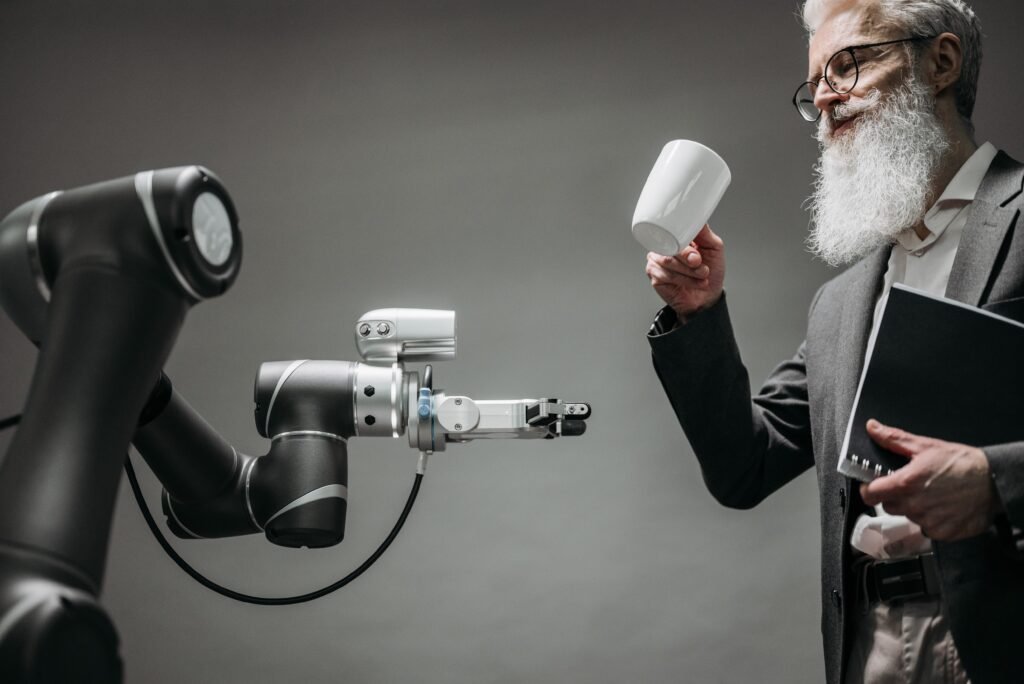
Workplaces will continue changing as smart technology becomes more common. Businesses will use intelligent software, automation tools, and connected systems to improve employee productivity.
Smart workplaces will include AI assistants, automated workflows, digital collaboration platforms, and data-driven management systems.
These technologies will help organizations create more flexible and efficient working environments.
Smart Technology in Global Business Expansion
Smart technology will help businesses reach customers and markets around the world. Digital platforms, AI translation tools, and automated systems will make international operations easier.
Companies will use smart solutions to understand global customer behavior, improve communication, and provide better services.
Technology will continue removing barriers and creating new opportunities for global business growth.
The Role of Smart Technology in Personal Productivity
Individuals will also benefit from smarter technology solutions. AI assistants, smart devices, and automation tools will help people organize tasks, manage time, and improve daily activities.
Personal technology will become more personalized as systems learn user preferences and provide useful recommendations.
Smart technology will support people in becoming more productive and efficient.
Smart Infrastructure and Future Cities
Cities will continue investing in intelligent infrastructure to improve quality of life. Smart transportation systems, connected energy networks, and digital public services will become more common.
Urban areas will use data and automation to manage resources more effectively.
Smart cities will create safer, cleaner, and more efficient environments for residents.
The Future of Security in Smart Environments
Security will remain a major priority as smart technology expands. Connected devices and digital systems will require advanced protection against cyber threats.
AI-powered security solutions will help monitor systems, detect risks, and protect sensitive information.
Strong cybersecurity will be essential for the continued growth of smart technology.
Building Trust in Smart Technology
Trust will play an important role in the adoption of smart technology. Users will want confidence that their data is protected and that smart systems operate responsibly.
Businesses will need to focus on transparency, privacy protection, and ethical technology practices.
Creating trustworthy smart solutions will encourage more people and organizations to adopt these innovations.
The Future Skills Needed for Smart Technology
As smart technology changes industries, new skills will become more valuable. Knowledge of AI, automation, data analysis, and cybersecurity will help people succeed in the future workforce.
Businesses will invest in training programs to prepare employees for new technology-driven roles.
Continuous learning will become essential in a rapidly changing digital world.
The Long-Term Impact of Smart Technology
The development of smart technology will create long-term changes across society. Businesses will operate more efficiently, services will become more personalized, and daily life will become more connected.
The combination of AI, IoT, and automation will continue creating solutions for complex challenges.
Technology will remain one of the most powerful forces shaping the future.
Final Conclusion
The Rise of Smart Technology in 2026 will represent a major shift toward a more intelligent and connected world. Artificial intelligence, IoT, and automation will transform businesses, homes, cities, and industries.
These technologies will improve efficiency, create new opportunities, and change how people interact with the digital world.