
Blogging has changed significantly as artificial intelligence has become part of the modern content creation process. Today, bloggers can use AI writing tools to brainstorm topics, create outlines, improve drafts, rewrite sentences, organize ideas, and prepare different types of content.
But choosing the right tool can be difficult.
There are now many AI writing platforms, and they do not all serve the same purpose. Some are general-purpose AI assistants, while others focus on marketing, editing, SEO, or long-form content.
For bloggers, the best tool is not necessarily the one that generates the most text. A useful AI writing tool should help you create clearer, more accurate, useful, and well-structured content while leaving room for human research and judgment.
In this guide, we will compare some of the best AI writing tools for bloggers in 2026, explain what each one is best suited for, discuss their limitations, and show you how to build a practical AI-assisted blogging workflow.
Important: AI tools, pricing, features, and usage limits can change. Always check the provider’s official website before subscribing or making a purchasing decision.
What Are AI Writing Tools for Bloggers?
AI writing tools are software applications that use artificial intelligence to assist with writing and content-related tasks.
For bloggers, these tools can be useful for:
- Finding content ideas
- Creating article outlines
- Drafting sections
- Rewriting paragraphs
- Improving grammar
- Summarizing information
- Creating headlines
- Preparing FAQs
- Repurposing content
- Improving readability
- Brainstorming social media content
Some tools are designed specifically for content marketing, while others are general AI assistants that can be adapted to blogging.
The important thing is to understand that AI should normally be treated as an assistant, not as an automatic replacement for research, editing, and human judgment.
What Makes a Good AI Writing Tool for Bloggers?
Before choosing an AI writing platform, consider the features that actually matter for blogging.
1. Writing Quality
The generated text should be reasonably clear and easy to edit.
However, even high-quality AI output may require revision. Bloggers should remove generic statements, repetition, and unsupported claims before publishing.
2. Long-Form Content Support
If you publish detailed articles, you need a tool that can work effectively with longer content and maintain a logical structure.
3. Editing Features
Editing is just as important as generation.
Look for features that can help with:
- Grammar
- Clarity
- Readability
- Rewriting
- Tone
- Sentence structure
4. SEO Support
Some tools include features related to SEO, content optimization, keywords, headings, or search-focused workflows.
These features can be useful, but an SEO feature does not automatically make an article helpful or guarantee rankings.
5. Ease of Use
A powerful platform can still be inconvenient if it is difficult to understand.
For beginners, a simple workflow may be more valuable than a large collection of advanced features.
6. Price and Usage Limits
Consider how often you will use the tool.
A blogger who publishes one article per week may have very different needs from a content team publishing every day.
Best AI Writing Tools for Bloggers in 2026
There is no universal winner. The following tools serve different blogging needs.
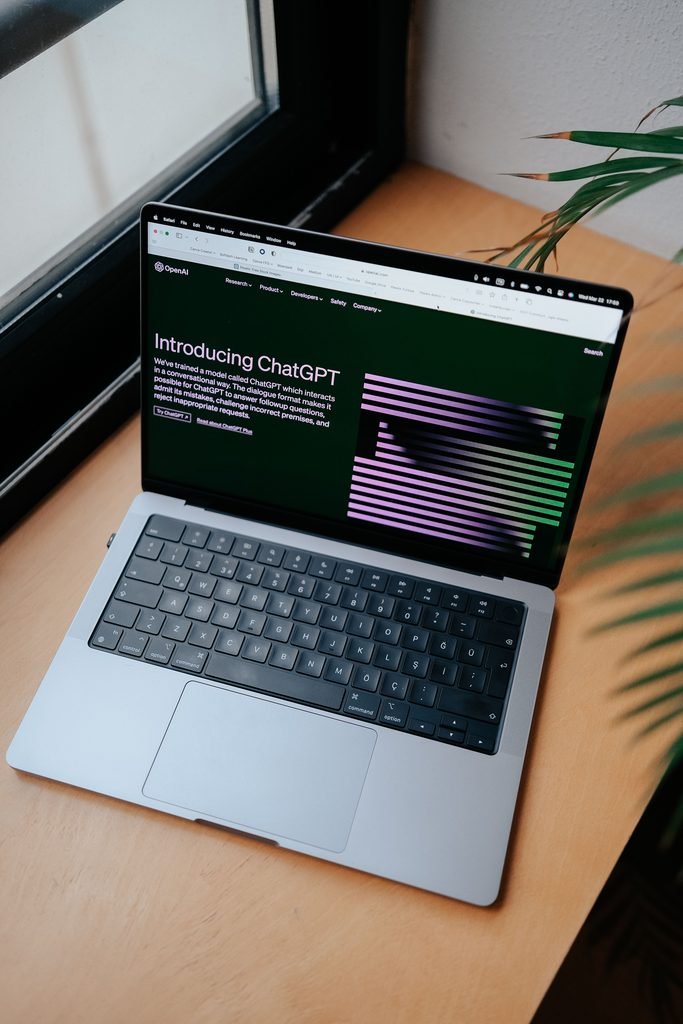
1. ChatGPT — Best All-Purpose AI Writing Assistant
ChatGPT is a flexible AI assistant that can support many stages of the blogging process.
Bloggers can use it for:
- Topic brainstorming
- Content outlines
- Drafting
- Rewriting
- Summarization
- FAQ ideas
- Headline brainstorming
- Content repurposing
- Editing
- Content planning
Its biggest advantage is flexibility. You can use one platform for many different writing-related tasks instead of needing a separate tool for every stage.
Best for
Bloggers who want one flexible AI assistant for multiple content tasks.
Advantages
- Flexible for different writing tasks
- Useful for brainstorming and outlining
- Can help with editing and rewriting
- Suitable for beginners and experienced users
Limitations
AI-generated information still needs verification. It can also produce generic text if the instructions and source material are weak.
2. Claude — Best for Long-Form Drafting
Claude is another general-purpose AI assistant that can be useful for bloggers working on longer pieces of content.
It can help with:
- Long-form drafts
- Article outlines
- Rewriting
- Summaries
- Content organization
- Editing
- Brainstorming
Several current 2026 comparisons position Claude as a strong option for long-form writing and nuanced content.
Best for
Bloggers who frequently work on detailed articles and longer documents.
Advantages
- Useful for long-form writing workflows
- Strong brainstorming and drafting capabilities
- Can help organize complex information
Limitations
The available features and usage limits depend on the current plan and product offering.
3. Grammarly — Best for Editing and Polishing
Not every blogger needs an AI tool that writes complete articles.
Sometimes the bigger problem is improving content that you have already written.
This is where Grammarly can be useful.
It focuses heavily on writing improvement, including areas such as:
- Grammar
- Spelling
- Clarity
- Tone
- Sentence structure
- Readability
Best for
Bloggers who write their own articles but want help polishing the final draft.
Advantages
- Useful for proofreading
- Helps identify writing problems
- Can improve clarity
- Useful for English-language bloggers
Limitations
Some advanced features may require a paid plan.
4. Jasper — Best for Marketing-Focused Bloggers
Jasper is designed heavily around marketing and business content.
It can be relevant to bloggers who create content for:
- Businesses
- Marketing campaigns
- Products
- Brands
- Content teams
Current 2026 comparisons commonly position Jasper toward marketing teams and structured brand-content workflows rather than casual writing.
Best for
Professional bloggers and marketing teams that need structured content workflows.
Advantages
- Marketing-oriented features
- Useful for brand-focused content
- Designed for repeatable content workflows
Limitations
It may be unnecessary for a beginner blogger who only needs basic AI writing assistance.
5. Writesonic — Best for Content and SEO Workflows
Writesonic is another platform aimed at content creation and marketing.
Depending on the current product offering, it can support tasks related to:
- Blog content
- Content optimization
- Marketing writing
- SEO-focused workflows
- Article creation
Some 2026 comparisons now describe Writesonic as moving beyond simple AI writing toward broader SEO and AI-search visibility workflows.
Best for
Bloggers who want content creation combined with broader SEO-oriented features.
Advantages
- Content-focused workflow
- Useful for bloggers and marketers
- Includes tools beyond basic text generation
Limitations
Features and pricing can change considerably, so check the current plan before subscribing.
6. Copy.ai — Best for Business Content Workflows
Copy.ai has increasingly focused on business and marketing workflows.
It can be useful for content such as:
- Marketing copy
- Social media drafts
- Business communications
- Sales-related content
- Content repurposing
Best for
Bloggers who also create marketing and business content.
Advantages
- Useful for marketing workflows
- Can support different content formats
- Helpful for businesses and content teams
Limitations
Its broader business features may be unnecessary if your only requirement is writing blog posts.
7. Rytr — Best for Beginners
Rytr is designed as a relatively straightforward AI writing assistant.
It can help with:
- Blog ideas
- Emails
- Social media posts
- Product descriptions
- Marketing copy
- Rewriting
Best for
Beginners looking for straightforward AI writing assistance.
Advantages
- Simple approach
- Useful for shorter content
- Can help beginners get started
Limitations
Advanced bloggers may eventually need more specialized workflows.
AI Writing Tools for Bloggers Comparison
| Tool | Best For | Main Strength | Possible Limitation |
|---|---|---|---|
| ChatGPT | General blogging | Flexible assistance | Requires fact-checking |
| Claude | Long-form content | Drafting and organization | Plan limits may vary |
| Grammarly | Editing | Grammar and clarity | Some advanced features are paid |
| Jasper | Marketing blogs | Brand and marketing workflows | Can be expensive for beginners |
| Writesonic | Content + SEO workflows | Content-focused features | Features can change |
| Copy.ai | Business content | Marketing workflows | May be more than bloggers need |
| Rytr | Beginners | Simple writing assistance | Fewer advanced workflows |
This comparison should be treated as a starting point rather than a permanent ranking. AI products change quickly, so bloggers should check current features and pricing before making a decision.
Which AI Writing Tool Is Best for Different Types of Bloggers?
Instead of asking which tool is number one, consider your specific situation.
Best for a Beginner Blogger
ChatGPT or Rytr
A beginner usually benefits from a simple tool that can help with ideas, outlines, and basic drafts.
Best for Long-Form Bloggers
Claude or ChatGPT
Both can be useful for developing longer articles, outlines, explanations, and revisions.
Best for Editing
Grammarly
If you already write your own content, editing assistance may be more valuable than automatic article generation.
Best for Marketing Bloggers
Jasper or Copy.ai
These platforms are more relevant when blogging is closely connected to marketing and business workflows.
Best for SEO-Focused Content
Writesonic or another specialized SEO platform
If SEO features are important to your workflow, compare the current optimization features rather than choosing a tool simply because it is popular.
How Bloggers Can Use AI Writing Tools
AI can be incorporated into almost every stage of blogging.
Step 1: Find a Topic
Start with a real question or problem your readers want solved.
AI can help brainstorm ideas, but keyword and search-demand information should be verified with appropriate SEO research tools.
Step 2: Understand Search Intent
Ask what the person searching for the topic actually wants.
For example:
“What are AI writing tools?”
This is primarily informational.
“Best AI writing tools for bloggers”
This suggests comparison and commercial investigation.
“How to use AI writing tools for blogging”
This suggests a practical, instructional intent.
Your article should match that intent.
Step 3: Research the Topic
Collect reliable information before drafting.
For software-related articles, check official sources for:
- Features
- Pricing
- Plans
- Availability
- Usage limits
- Product changes
This is especially important because AI products can change quickly.
Step 4: Create an Outline
Use AI to organize your research into a logical structure.
A good outline should answer the reader’s main questions without unnecessary sections.
Step 5: Create a Draft
AI can help turn your outline and research into an initial draft.
But do not automatically publish the result.
Step 6: Add Original Value
This is where your article becomes more useful.
Add:
- Your own analysis
- Clear comparisons
- Practical examples
- Specific explanations
- Verified information
- Useful tables
- Pros and limitations
If you personally test a tool, describe what you actually tested. Do not claim hands-on experience if you did not test it.
Step 7: Fact-Check
Verify important claims before publishing.
This is particularly important for software pricing, features, statistics, and current information.
Step 8: Edit the Article
Remove:
- Repetition
- Generic statements
- Unsupported claims
- Unnecessary filler
- Awkward AI-generated language
The final article should read naturally.
How to Use AI Without Creating Generic Blog Content
One of the biggest challenges with AI-assisted blogging is producing content that sounds like every other article online.
If you ask an AI tool:
“Write an article about the best AI writing tools.”
you may receive a predictable list of tools and generic descriptions.
Instead, make your article more useful by asking specific questions:
- Which tool is best for a beginner?
- Which is best for editing?
- Which is useful for long-form content?
- Which tools have free options?
- What are the limitations?
- What should a blogger check before paying?
- Which tool fits a small content website?
This produces a more useful article because it focuses on decision-making, not just descriptions.
AI Writing Tools and SEO
AI writing tools can support SEO, but they are not an SEO shortcut.
They can help with:
- Topic brainstorming
- Content outlines
- Related-topic ideas
- Meta description drafts
- Internal-link suggestions
- Content editing
- Search-intent analysis
However, using AI does not automatically make content rank.
Google’s guidance emphasizes creating useful, original, people-first content and warns against using generative AI to produce large amounts of low-value content primarily for search manipulation.
For Barakaale.com, this means AI should be part of the content workflow, not the entire strategy.
Should Bloggers Use AI to Write Entire Articles?
They can use AI to create drafts, but completely automatic publishing is usually not the best approach.
A better workflow is:
Research → Outline → AI assistance → Human editing → Fact-check → Original value → Publish
This gives you more control over:
- Accuracy
- Originality
- Quality
- Tone
- Relevance
- Reader experience
The purpose of AI should be to make your workflow more efficient, not to remove the editorial process completely.
Free vs Paid AI Writing Tools for Bloggers
A free tool may be enough if you:
- Publish occasionally
- Mainly need ideas
- Need basic editing
- Are learning how AI works
- Have a small content workload
A paid tool may be worth considering if you:
- Publish frequently
- Need higher usage limits
- Require specialized features
- Work with multiple writers
- Need structured marketing workflows
Do not pay simply because a platform is more expensive.
Choose a paid service only when its additional features provide enough value for your particular workflow.
Common Mistakes Bloggers Make With AI Writing Tools
Publishing Without Fact-Checking
AI can generate incorrect information that sounds convincing.
Always verify important claims.
Creating Too Many Similar Articles
More articles do not automatically mean more useful content.
Focus on quality and topic coverage.
Using AI for Personal Experience
If an article requires genuine experience, do not invent personal stories or claim that you tested something when you did not.
Ignoring Product Changes
AI tools frequently change their features and pricing.
Review your articles periodically.
Using the Same Structure Everywhere
Not every article needs the same introduction, comparison table, FAQ, and conclusion.
Choose the structure based on the reader’s needs.
For your website, I recommend this simple process:
1. Choose a Specific Topic
Pick a topic with clear search intent.
2. Research
Use reliable sources and verify important information.
3. Create the Outline
Structure the article around the reader’s questions.
4. Use AI as an Assistant
Use it for brainstorming, outlining, drafting, or editing.
5. Add Original Value
Include useful comparisons, examples, explanations, and your own analysis.
6. Fact-Check
Verify product information and important claims.
7. Edit
Make the writing natural and remove repetition.
8. SEO Optimize
Use the primary keyword naturally, create descriptive headings, write a useful meta description, and add relevant internal links.
9. Publish
Check the complete article before publishing.
10. Update
Review the article when important information changes.
This approach gives Barakaale.com a much stronger foundation than simply publishing AI-generated articles at high volume.
Frequently Asked Questions
What is the best AI writing tool for bloggers in 2026?
There is no single best tool for every blogger. ChatGPT and Claude are strong general-purpose options, Grammarly is useful for editing, while Jasper and other specialized platforms can be more appropriate for marketing-focused workflows.
Can AI writing tools write SEO blog posts?
Yes, AI tools can assist with outlines, drafts, keywords, editing, and other SEO-related tasks. However, using AI does not guarantee search rankings. The content still needs to be useful, accurate, relevant, and written for readers.
Are AI writing tools free for bloggers?
Some platforms provide free access or limited free plans, while others are primarily paid. Features and limits can change, so check the current provider information before subscribing.
Can AI replace a blogger?
AI can automate or assist with some writing tasks, but blogging still benefits from human research, judgment, editing, expertise, and original ideas.
Should bloggers use more than one AI writing tool?
Not necessarily. One well-understood tool may be enough for many bloggers. Add another tool only when it solves a specific problem that your existing platform does not handle well.
Conclusion
The best AI writing tools for bloggers in 2026 are not simply the tools that can generate the most words.
The right tool should fit your content workflow.
For general-purpose blogging, ChatGPT and Claude can provide flexible assistance. Grammarly can be useful for editing, while Jasper and Copy.ai are more relevant to marketing-oriented workflows. Writesonic can be worth considering for bloggers interested in broader content and SEO features, while Rytr can provide a straightforward starting point for beginners.
But the most important part of the process is still the blogger.
Use AI to brainstorm, organize, draft, edit, and repurpose content—but research the subject, verify important information, add original value, and make the final editorial decisions yourself.
For Barakaale.com, I recommend building a connected group of useful articles around AI writing rather than publishing many unrelated AI posts. Your current cluster can now include:
- Best AI Writing Tools for Content Creation in 2026
- Best Free AI Writing Tools in 2026
- Best AI Writing Tools for Bloggers in 2026
These articles can naturally link to one another, helping readers discover related information while creating a stronger topical structure for your website.
SEO Information
SEO Title: Best AI Writing Tools for Bloggers in 2026: Top Picks Compared
Focus Keyword: AI Writing Tools for Bloggers
Primary Keyword Variation: Best AI Writing Tools for Bloggers
Meta Description: Discover the best AI writing tools for bloggers in 2026. Compare features, use cases, limitations, and tips for choosing the right AI tool.
Suggested URL Slug: /best-ai-writing-tools-for-bloggers/
Related Keywords:
- best AI writing tools for bloggers
- AI writing tools for bloggers
- AI tools for bloggers
- AI blog writing tools
- AI tools for blog writing
- best AI tools for blogging
- AI writing software for bloggers
- AI content tools for bloggers
- AI blog post generator
- free AI writing tools for bloggers
- AI tools for content creation
- AI writing assistant for bloggers