Introduction to AI Tools
Artificial intelligence (AI) tools have become increasingly pivotal in various sectors, revolutionizing the way businesses and individuals operate. These tools leverage advanced algorithms and machine learning techniques to automate processes, enhance productivity, and facilitate data-driven decision-making. In recent years, the significance of AI applications has surged, reflecting advancements in technology and a growing recognition of AI’s potential to improve operational efficiency.
One of the primary areas where AI tools have made a substantial impact is automation. By integrating AI capabilities into workflows, organizations can streamline repetitive tasks, thereby reducing human error and saving valuable time. For example, chatbots powered by AI can handle customer inquiries around the clock, ensuring immediate responses while freeing up human resources for more complex issues. Such automation not only boosts productivity but also allows businesses to allocate their workforce towards more strategic initiatives.
Furthermore, AI tools play a crucial role in data analysis. With the vast amount of data generated every day, AI enables organizations to sift through this information efficiently. Advanced analytics powered by AI can identify patterns, trends, and insights that would be nearly impossible for humans to detect manually. This capability enhances decision-making processes, allowing businesses to respond proactively to market changes and customer preferences.
The evolution of AI tools over the years reflects the increasing sophistication of technology and the growing awareness of its capabilities. Organizations across various industries, from healthcare to finance, are beginning to realize the value of adopting AI solutions to remain competitive and innovative. As these tools continue to evolve, they promise to further transform how industries operate, making them not just more efficient but also increasingly adaptive to the rapidly changing landscape of the modern world.
Criteria for Selecting AI Tools
When choosing AI tools, several critical criteria should guide the selection process to ensure that the chosen solutions effectively meet specific needs. One of the foremost factors is usability. An intuitive and easy-to-navigate interface significantly reduces the learning curve, allowing users to adopt the tool swiftly without extensive training. This aspect is particularly vital for teams with varying levels of technical expertise.
Functionality is another essential criterion. Different AI tools offer a range of features, so it is crucial to assess whether the functionalities align with the specific use cases and objectives. Tools may provide capabilities such as data analysis, automation, or integration with existing systems. Selecting an AI tool that can address these requirements will optimize its effectiveness within the business processes.
Cost-effectiveness also plays a vital role. Organizations must evaluate the pricing structure of AI tools—considering factors such as subscription fees, licensing costs, and additional expenses for upgrades or support. A tool that provides excellent functionality at a reasonable price can be more advantageous in the long run.
Scalability is another aspect that should not be overlooked. As businesses grow and evolve, their requirements for AI tools may change. Therefore, it is essential to choose solutions that can scale alongside the organization, allowing for increased usage or added features without necessitating a complete reassessment of tools.
Finally, community support and user reviews are integral to the selection process. Active user communities often provide valuable resources, such as tutorials and troubleshooting tips. Furthermore, examining user reviews and ratings can highlight strengths and weaknesses, aiding in informed decision-making. By considering these factors, organizations can select AI tools that not only meet their current needs but also adapt to future challenges and opportunities.
Free AI Tools for Content Creation
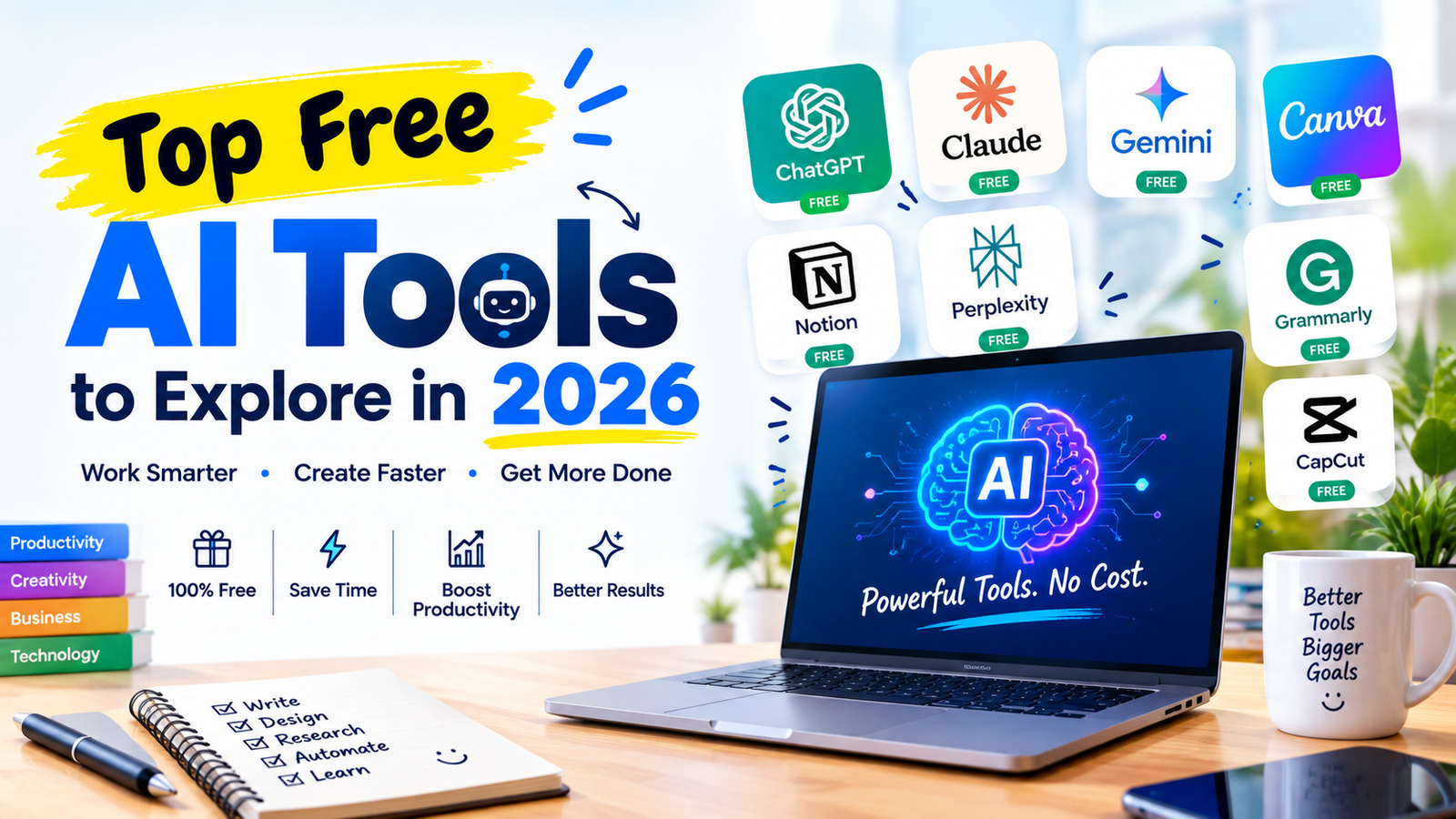
As we move further into 2026, content creators are increasingly leveraging free AI tools to enhance their workflow and creative output. The advancements in artificial intelligence have led to the development of a wide array of tools that cater to various content needs, from text generation to image and video production.
One of the most prominent categories of free AI tools is text generation. Platforms like OpenAI’s ChatGPT have become essential for writers looking to generate content ideas, draft articles, or even create marketing copy. These tools employ sophisticated algorithms to produce coherent and contextually relevant text, making them invaluable for content marketing strategies. For instance, utilizing such AI tools can help bloggers and marketers save time while maintaining high-quality output.
In addition to text, there are also AI tools specializing in image generation. Tools like DALL-E and Artbreeder allow users to create unique images based on prompts or combine elements from existing artworks. This capability is particularly advantageous for social media managers and graphic designers who require tailored visuals to engage their audiences. The ease of use of these platforms makes them accessible to individuals without technical expertise, effectively democratizing the creative process.
Furthermore, video content creation has seen significant innovations through AI tools. Platforms such as Lumen5 and InVideo enable users to transform text-based content into engaging videos by utilizing AI to automate the editing process. These tools come equipped with templates and media libraries, streamlining the video creation process and enhancing the overall productivity of content creators.
Overall, the landscape of free AI tools for content creation is dynamic and evolving. As these tools become more sophisticated, they offer exciting possibilities for creators to produce innovative content that resonates with their audience, ultimately transforming the way content is developed and shared across various platforms.
AI Tools for Data Analysis and Visualization
In the rapidly evolving landscape of artificial intelligence, several free tools have emerged specifically designed to assist users in the analysis and visualization of data. These tools serve a diverse audience, encompassing both beginners and seasoned analysts, by simplifying the process of exploring vast datasets and generating actionable insights.
One notable free AI tool for data analysis is Tableau Public. This platform leverages the power of AI to facilitate data visualization, allowing users to create interactive and shareable dashboards. Its intuitive interface helps even those with minimal coding experience to develop complex visual representations of their data, enhancing their ability to communicate insights effectively.
Another excellent option is Google Data Studio, which offers extensive capabilities for data analysis and reporting. Integrating seamlessly with various Google services as well as external databases, this tool enables users to transform raw data into comprehensive reports. The use of AI features, such as automated insights and trend predictions, further enhances the analytical capacity of the tool.
For users interested in more advanced analytical techniques, Knime is an open-source software that supports a variety of data mining and machine learning functionalities. Knime’s user-friendly interface allows analysts to build and execute data workflows without needing extensive programming expertise. Its combination of visual programming and advanced analytics attracts both novice and skilled users alike.
Furthermore, RapidMiner serves as another powerful resource for performing advanced data analysis. It offers numerous templates for predictive analytics and visualization, empowering users to derive insights from their data effectively. Through its visual programming environment, RapidMiner allows users to integrate multiple data sources and perform extensive analyses efficiently.
These free AI tools illustrate the tremendous potential artificial intelligence brings to data analysis and visualization. By providing accessible platforms equipped with sophisticated features, they enable users to navigate complex datasets and extract valuable insights seamlessly. As technology continues to evolve, these tools will likely adapt and expand their capabilities, catering to the increasing demands of data analysis in diverse fields.
AI Tools for Programming and Development
In the rapidly evolving landscape of technology, artificial intelligence (AI) has become an invaluable asset for programmers and developers. Several free AI tools are now available that significantly enhance coding efficiency and streamline the development process. This section examines some of the most notable AI tools that cater specifically to the needs of programmers.
One of the leading categories of AI tools for development is code generation. These tools utilize advanced algorithms and machine learning techniques to assist developers in writing code more efficiently. For instance, GitHub Copilot is an AI-powered code assistant that generates code snippets based on natural language prompts provided by users. This not only speeds up the coding process but also helps reduce errors by suggesting best practices directly in the coding environment.
Another important category encompasses debugging tools. Tools like DeepCode leverage AI to analyze code and identify potential bugs before they manifest during runtime. By providing real-time feedback, developers can address issues promptly, thereby improving the overall quality of their code. Such tools often integrate seamlessly with existing Integrated Development Environments (IDEs), making them easy to adopt within current workflows.
Moreover, intelligent development environments (IDEs) equipped with AI capabilities can significantly enhance the developer experience. Tools like Kite offer intelligent code completions, insights, and documentation directly within the coding interface. This integration alleviates the need to switch contexts, allowing programmers to maintain focus on their tasks.
As we delve deeper into the capabilities of these AI tools, it becomes clear that they not only improve productivity but also foster a collaborative development environment. By leveraging these tools, programmers can allocate more time to high-level problem solving instead of mundane coding tasks. Ultimately, the adoption of free AI tools in programming signifies a crucial shift towards a more efficient and effective approach to software development in 2026.
AI Tools for Marketing Automation
In the dynamic landscape of digital marketing, automation has emerged as a crucial element that can enhance the efficiency of marketing strategies. Various free AI tools cater specifically to marketing automation, providing businesses with the capabilities to streamline their operations, optimize customer engagement, and improve overall performance.
One notable aspect of these AI tools is their ability to facilitate customer segmentation. By analyzing vast amounts of data, these tools can classify customers into distinct groups based on their behaviors, preferences, and demographics. This level of segmentation allows marketers to tailor their campaigns more effectively, ensuring that the right message reaches the right audience. Such precision in targeting not only increases the likelihood of conversion but also enhances customer satisfaction.
Additionally, free AI tools are instrumental in the creation of personalized content. With the power of machine learning and natural language processing, these tools can generate compelling content that resonates with individual customers. By leveraging data insights, marketers can deliver messages that align with their audience’s interests and needs. This personalized approach is particularly vital in today’s environment, where consumers expect tailored experiences.
Performance analytics is another area where AI marketing tools shine. These tools gather and analyze data from various campaigns, providing marketers with actionable insights into their strategies’ effectiveness. By understanding which aspects of a campaign are working and which are not, businesses can make informed decisions to adjust their marketing efforts. This level of insight is essential for optimizing return on investment and ensuring that marketing funds are allocated effectively.
In conclusion, utilizing free AI tools for marketing automation not only enhances operational efficiency but also empowers marketers to create personalized experiences for their customers. The integration of these tools into digital marketing strategies can lead to better customer engagement and improved performance outcomes.
AI Tools for Customer Support
In recent years, the advancement of artificial intelligence (AI) has transformed various business sectors, including customer support. The proliferation of free AI tools focused on enhancing customer service has enabled businesses to improve user experiences significantly. These tools leverage the capabilities of chatbots and virtual assistants, streamlining support operations and providing immediate responses to customer inquiries.
One prominent category of these tools is chatbots, which use natural language processing to understand and respond to customer queries in real time. These AI chatbots can handle a multitude of inquiries simultaneously, reducing wait times and increasing customer satisfaction. For example, many businesses have integrated chatbots into their websites and social media platforms to provide 24/7 assistance, allowing for prompt resolutions even outside of standard operating hours.
Furthermore, virtual assistants represent another innovative tool revolutionizing customer support. These AI systems can assist both customers and support agents by providing information and resources in a conversational manner. Organizations utilize virtual assistants to guide users through complex processes, thereby enhancing the overall user experience. By offering tailored responses based on user data and previous interactions, virtual assistants can deliver a highly personalized support experience.
Additionally, the deployment of AI tools in customer support can lead to decreased operational costs for businesses. By automating routine inquiries, businesses can allocate resources more efficiently and focus their human workforce on complex issues that require personal attention. This not only improves support efficiency but also enhances job satisfaction for customer service representatives, as they can engage in more challenging and meaningful work.
In summary, the incorporation of AI tools such as chatbots and virtual assistants into customer support strategies plays a crucial role in refining user experiences while optimizing operational workflows. As these technologies continue to evolve, businesses that leverage them can expect significant improvements in both customer satisfaction and support efficiency.
Future Trends in AI Tools
The landscape of artificial intelligence (AI) tools is continually evolving, and as we look toward 2027 and beyond, several trends are anticipated to shape their future. One of the most significant advancements expected is the increased integration of AI into various sectors. These tools will not only aid in automation and data analysis but also improve decision-making processes across industries such as healthcare, finance, and education. The proliferation of AI is likely to give rise to more sophisticated algorithms that can analyze vast amounts of data in real time, providing insights that were previously unattainable.
Moreover, the user experience of AI tools is expected to become more intuitive and accessible. As users become more familiar with AI technologies, the demand for user-friendly interfaces will drive developers to create more engaging and interactive tools. Natural language processing capabilities will further enhance user interactions, allowing for seamless communication between humans and machines. Such improvements could democratize access to AI technologies, making them available to individuals and organizations with varying levels of technical expertise.
Ethical considerations will also play a crucial role in the future of AI tools. There is a growing emphasis on the importance of developing AI responsibly. Issues surrounding user privacy and data security will necessitate the implementation of stringent standards and regulations. As AI tools become increasingly integrated into daily life, transparency and accountability must be prioritized to ensure users can trust the systems they rely on. In this regard, transparency from developers and organizations employing AI will be critical in fostering user confidence.
In conclusion, as we progress toward 2027, it is clear that the advancements in AI tools will not only enhance functionality and user experience but will also challenge us to address complex ethical issues surrounding their development and deployment. The future of AI holds great promise, provided it is approached with careful consideration of the implications for society as a whole.
Conclusion and Recommendations
In this rapidly evolving landscape of artificial intelligence, it is crucial to stay informed about the various AI tools that emerge each year. As discussed throughout the article, the top free AI tools of 2026 can significantly enhance productivity, creativity, and efficiency across various domains. Each tool offers unique features and benefits that cater to different needs, whether for content creation, data analysis, or automation.
When selecting the best AI tools, it is essential to consider specific requirements and use cases. For instance, if a user focuses on generating high-quality text, tools that specialize in natural language processing will be more beneficial. Alternatively, professionals looking to analyze large datasets might prioritize tools that excel in data visualization and statistical analysis. Understanding the core functionalities of each tool allows users to make informed decisions, maximizing the value derived from their use.
Additionally, evaluating user reviews and case studies can provide insightful perspectives on how these tools perform in real-world applications. This approach enables potential users to gauge effectiveness and suitability for their particular needs. Thus, before diving into a new AI tool, conducting thorough research can save time and lead to better outcomes.
Overall, the availability of free AI tools presents a remarkable opportunity for individuals and businesses to harness advanced technology without financial burden. As the AI landscape continues to grow, staying updated on trends, enhancements, and user feedback will ensure you select the most effective tools tailored to your goals. The integration of AI technology into everyday tasks will inevitably transform workflows and drive innovation, making it essential to embrace these resources as they develop.