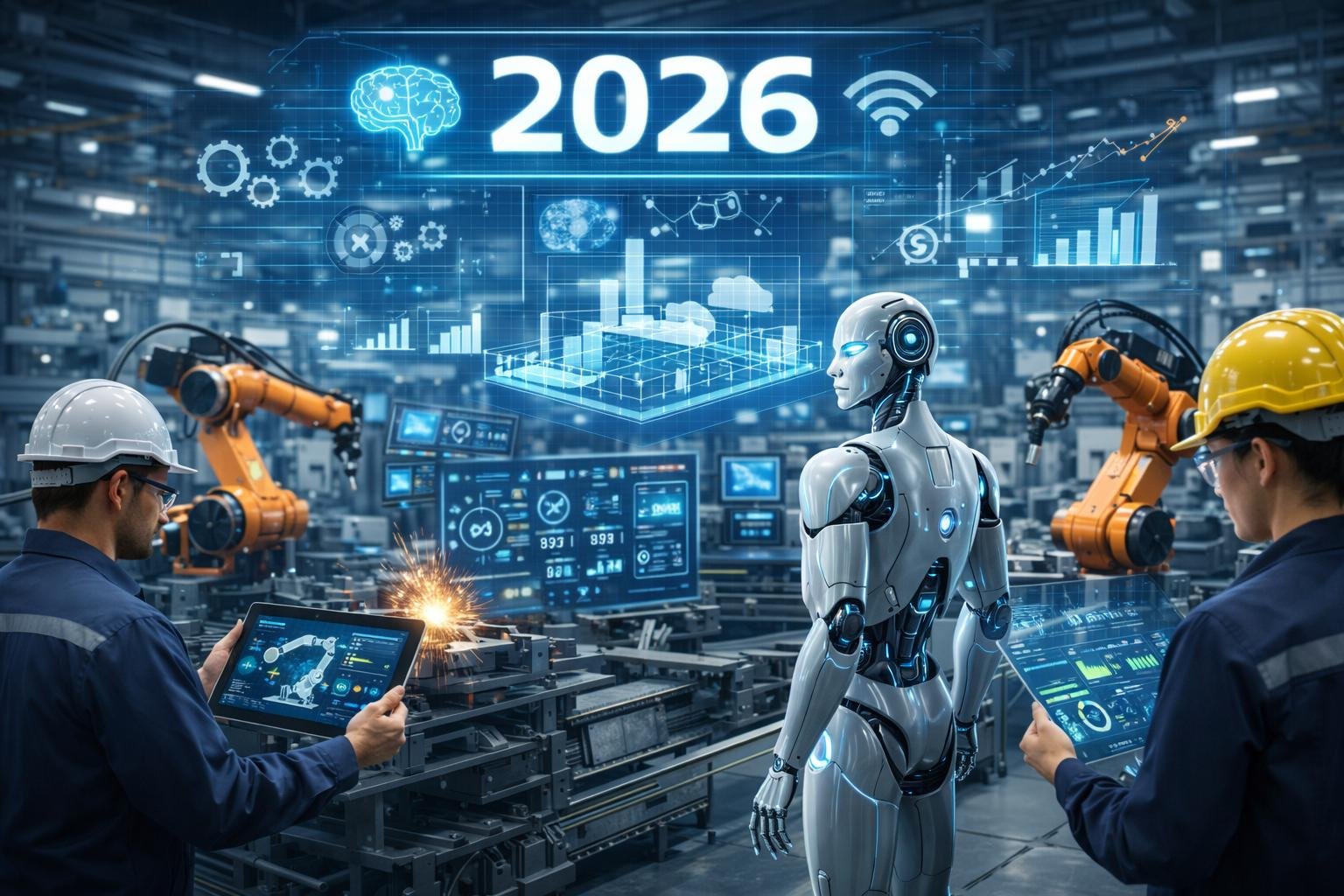

Technology continues to change the way people work, communicate, shop, learn, travel, and manage their daily lives. In 2026, several technology trends are moving beyond experimentation and becoming increasingly relevant to businesses and consumers.
New modern technology in 2026 includes developments in artificial intelligence, automation, robotics, connected devices, cybersecurity, cloud computing, digital payments, smart infrastructure, and advanced energy systems.
However, technological progress is not simply about having the newest device or software. The most useful innovations are those that solve real problems, save time, improve access to information, increase efficiency, or create better ways to perform everyday tasks.
This article explores the major technology trends shaping business and everyday life in 2026, including their benefits, limitations, and practical uses.
What Is New Modern Technology in 2026?
New modern technology refers to technologies that are emerging, improving rapidly, or becoming more widely adopted.
Some technologies are genuinely new, while others have existed for years but are becoming more capable or accessible.
Artificial intelligence is a good example. AI is not a new concept, but modern generative AI and increasingly automated AI systems have expanded the number of tasks computers can assist with.
Other important areas include:
- Robotics
- Smart devices
- Cloud computing
- Advanced connectivity
- Digital payments
- Cybersecurity
- Electric mobility
- Energy storage
- Spatial computing
- Digital twins
- Advanced manufacturing
The impact of each technology depends on its cost, reliability, infrastructure requirements, and usefulness in a particular situation.
1. Artificial Intelligence Is Changing Business
Artificial intelligence is one of the most visible technology trends in 2026.
Businesses can use AI-powered software to assist with tasks involving text, images, data, customer communication, research, programming, and document processing.
How Businesses Use AI
Depending on the industry, AI can help with:
- Customer-service assistance
- Document summarization
- Data analysis
- Content drafting
- Software development
- Research
- Workflow automation
- Internal knowledge management
For example, a company may use an AI system to summarize a long internal document so employees can identify important points more quickly.
AI can improve productivity, but it does not eliminate the need for human judgment.
AI-generated information should be checked when accuracy matters, especially in financial, legal, medical, technical, or other high-impact situations.
New Modern Technology 2026: Trends Changing Business and Everyday Life
2. AI Is Also Changing Everyday Life
The influence of AI is not limited to companies.
Consumers increasingly encounter AI through search tools, smartphones, translation services, recommendation systems, productivity applications, cameras, customer-service systems, and other digital products.
People can use AI tools for:
- Learning new subjects
- Organizing information
- Writing and editing
- Brainstorming
- Translation
- Planning
- Summarizing information
- Basic productivity tasks
One important skill is learning how to verify AI-generated information.
An answer that sounds confident is not necessarily correct.
3. AI Automation and Digital Assistants
Another important trend is the development of software that can perform multiple connected tasks.
Traditional software usually requires users to complete each step manually.
Modern AI-assisted automation can potentially connect several steps into a single workflow.
For example, a business could create a workflow that receives information, organizes it, prepares a draft, and sends it for human review.
Why Automation Matters
Automation can reduce repetitive work and allow employees to spend more time on tasks requiring:
- Judgment
- Creativity
- Communication
- Problem solving
- Relationship building
The challenge is that automated systems must be carefully configured and monitored.
A poorly designed automation can repeat errors just as efficiently as it performs useful work.
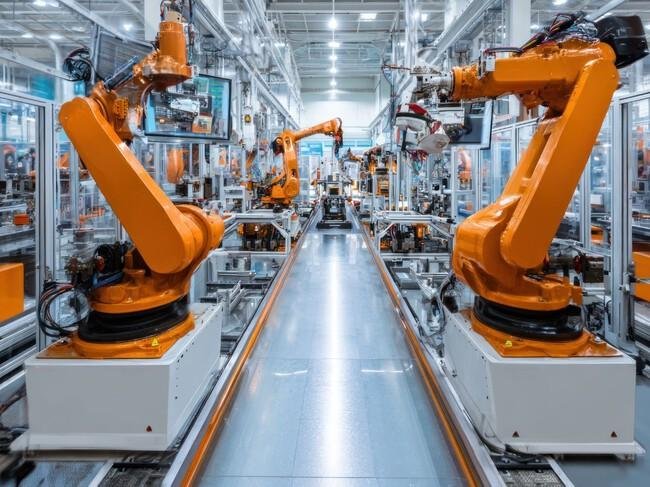
4. Robotics Is Moving Beyond Traditional Factories
Robotics has been used in manufacturing for decades, but modern developments are expanding the range of tasks robots may perform.
Industrial robots remain important in factories and warehouses.
At the same time, companies are researching more flexible robots capable of operating in environments designed for humans.
Potential Uses of Modern Robots
Robotics can support:
- Manufacturing
- Warehousing
- Logistics
- Agriculture
- Inspection
- Research
- Repetitive physical work
Robots can be particularly useful where tasks are repetitive, physically demanding, or require consistent precision.
However, robots still face challenges involving cost, maintenance, safety, reliability, and operating in unpredictable environments.
5. Smart Homes Are Becoming More Connected
Smart-home technology allows household devices to communicate through networks and respond to commands or automated rules.
Examples include:
- Smart lighting
- Connected thermostats
- Security cameras
- Smart locks
- Connected appliances
- Energy-monitoring devices
- Voice-controlled systems
A homeowner might use automation to control lights according to a schedule or monitor energy consumption through a connected application.
The Main Advantage
Smart-home technology can provide greater convenience and visibility.
But consumers should also consider cybersecurity and privacy.
A device connected to the internet should be kept updated and protected with appropriate security settings.
6. Internet of Things Is Connecting Physical Objects
The Internet of Things, commonly called IoT, refers to physical objects that can collect, send, or receive data through networks.
IoT is especially important in business environments.
A factory can use connected sensors to monitor machinery. A logistics company can track equipment. A building can monitor temperature and energy use.
Everyday IoT Examples
Consumers may encounter IoT through:
- Wearable devices
- Smart appliances
- Connected vehicles
- Home-security equipment
- Fitness devices
- Smart energy systems
The usefulness of IoT depends on reliable connectivity and good data.
More connected devices also mean more devices that need to be secured.

New Modern Technology 2026: Trends Changing Business and Everyday Life
7. Cloud Computing Continues to Support Digital Business
Cloud computing allows organizations to access computing resources, software, storage, and other services through internet-connected infrastructure.
Instead of maintaining every server and application themselves, businesses can use cloud services according to their requirements.
Benefits of Cloud Technology
Cloud computing can offer:
- Flexible capacity
- Remote access
- Easier collaboration
- Centralized data management
- Access to specialized software
- Support for distributed teams
However, cloud systems can create dependence on service providers and internet connectivity.
Organizations should also consider data security, backup strategies, service availability, and compliance requirements.
8. Faster and More Connected Digital Communication
Modern connectivity is changing communication between people, businesses, and machines.
Mobile networks, broadband services, satellite connectivity, and other communication technologies allow information to move quickly across long distances.
This supports:
- Remote work
- Video communication
- Online education
- Digital commerce
- Connected devices
- Cloud applications
Connectivity is particularly valuable for businesses with employees or customers in different locations.
At the same time, internet availability and affordability remain important factors in determining who can benefit from these technologies.
9. Digital Payments Are Changing Commerce
Digital payment systems have become an important part of modern commerce.
Consumers can increasingly pay through smartphones, cards, online payment platforms, and other electronic systems.
For businesses, digital payments can make transactions easier to record and manage.
Why Digital Payments Matter
They can help businesses:
- Accept remote payments
- Improve transaction records
- Support online sales
- Reduce dependence on cash
- Serve customers through digital channels
Security remains essential.
Consumers should use trusted payment services, protect their account information, and be cautious about suspicious messages or payment requests.
10. Cybersecurity Is Becoming a Business Requirement
As more businesses depend on digital systems, cybersecurity is becoming increasingly important.
A modern company may rely on websites, cloud software, email, customer databases, payment systems, and online communication.
A security problem affecting one system can sometimes affect other parts of the business.
Basic Cybersecurity Practices
Businesses and individuals should consider:
- Strong and unique passwords
- Multi-factor authentication
- Regular software updates
- Secure backups
- Limited access to sensitive information
- Employee security training
- Careful management of third-party applications
Cybersecurity is not a one-time project. It requires ongoing attention.
11. Electric Vehicles and New Mobility Technology
Transportation is another area experiencing technological change.
Electric vehicles use electric motors rather than conventional internal-combustion engines, and charging infrastructure continues to develop in many markets.
Other mobility technologies include advanced driver-assistance systems, connected vehicles, fleet-management software, and intelligent transportation infrastructure.
Benefits and Limitations
Electric mobility can reduce dependence on gasoline or diesel for vehicle operation, but the overall practicality of an electric vehicle depends on factors such as:
- Purchase price
- Charging availability
- Driving distance
- Battery characteristics
- Electricity costs
- Local infrastructure
Different drivers therefore have different reasons for choosing a particular vehicle technology.
12. Advanced Energy Storage
Energy storage is becoming increasingly important as electricity systems become more dependent on flexible sources of power.
Batteries can be used in:
- Electric vehicles
- Consumer electronics
- Solar-energy systems
- Backup power
- Industrial applications
Research and development continues across battery chemistry, manufacturing, charging, durability, and recycling.
The future of energy storage will depend not only on technical performance but also on cost, materials, manufacturing capacity, safety, and infrastructure.
13. Digital Twins Are Improving Planning
A digital twin is a digital representation of a physical object, building, machine, or system.
It can use information from real-world systems to help organizations understand how those systems operate.
Examples
Digital twins can be used in:
- Manufacturing
- Construction
- Building management
- Infrastructure
- Energy systems
- Engineering
For example, a building model combined with information from sensors can help a facility team understand conditions within the building.
Digital twins require reliable data and appropriate software, so they are not automatically useful for every organization.
14. Spatial Computing and Extended Reality
Spatial computing brings digital information into three-dimensional environments.
Related technologies include augmented reality, virtual reality, and mixed reality.
These systems can provide new ways to visualize and interact with digital information.
Business Applications
Businesses can use immersive technology for:
- Training
- Product demonstrations
- Design
- Engineering
- Education
- Simulation
- Remote collaboration
For example, an engineer can examine a three-dimensional model of a product before physical production.
Hardware cost, comfort, software availability, and practical usefulness remain important considerations.
15. 3D Printing and Modern Manufacturing
3D printing, also called additive manufacturing, creates objects by building material layer by layer.
It is particularly useful for prototyping, customized components, product development, and certain manufacturing applications.
Why 3D Printing Matters
Traditional manufacturing may require specialized tooling for certain products.
3D printing can make it easier to produce prototypes and test different designs.
However, it is not automatically the best solution for every manufacturing job.
Production volume, material requirements, speed, equipment costs, and quality standards all matter.

New Modern Technology 2026: Trends Changing Business and Everyday Life
How Modern Technology Is Changing Business
The major technology trends of 2026 are influencing businesses in several ways.
Increased Productivity
Automation and AI can reduce repetitive tasks.
Better Access to Information
Cloud systems and data tools allow employees to access information from different locations.
Improved Customer Experience
Businesses can provide digital ordering, online support, personalized communication, and faster responses.
Lower Barriers to Entrepreneurship
Small companies can access software and digital services that previously required larger technical teams.
More Competition
Technology can also increase competition.
A company that adopts a useful digital process may improve its efficiency, while customers can compare products and services more easily online.
How Modern Technology Is Changing Everyday Life
Technology is also changing ordinary routines.
Communication
People can communicate instantly through messaging, email, and video services.
Shopping
Consumers can research products, compare prices, and purchase goods online.
Education
Students can access courses, tutorials, digital books, and interactive learning resources.
Entertainment
Streaming platforms, games, social networks, and immersive technologies have changed how people consume entertainment.
Transportation
Navigation applications, digital tickets, ride services, connected vehicles, and electric mobility are changing transportation.
Home Management
Smart devices can help people monitor energy use, security, lighting, and household equipment.
Benefits of New Modern Technology in 2026
Modern technology can provide several practical benefits.
Greater Convenience
Digital services can make common activities faster and easier.
Improved Productivity
Automation can reduce repetitive manual tasks.
Better Communication
Modern connectivity makes collaboration across distances easier.
Access to Information
People can access educational and informational resources from many locations.
New Business Opportunities
Digital tools allow entrepreneurs to develop new products and services.
Improved Monitoring
Sensors and connected devices can provide information about machines, buildings, vehicles, and other systems.
Challenges of Modern Technology
Technology also creates important challenges.
| Benefit | Potential Challenge |
|---|---|
| Automation | Workforce changes |
| AI | Incorrect or misleading output |
| Connected devices | Cybersecurity risks |
| Cloud computing | Provider dependence |
| Digital payments | Fraud and account security risks |
| Smart homes | Privacy concerns |
| Robotics | Cost and maintenance |
| Electric mobility | Charging infrastructure |
| Digital services | Digital-access gaps |
Responsible technology adoption requires understanding both advantages and disadvantages.
How to Choose the Right Technology
Buying or adopting new technology should begin with a problem rather than a trend.
Step 1: Identify the Problem
What exactly needs to improve?
Step 2: Compare Solutions
Look at several options instead of choosing the first product you see.
Step 3: Consider Total Cost
Include equipment, subscriptions, installation, training, maintenance, and support.
Step 4: Check Security
Understand what information the technology collects and how accounts and data are protected.
Step 5: Test Before Expanding
A small trial can reveal problems before an organization makes a larger investment.
Step 6: Measure Results
Ask whether the technology actually improved productivity, reduced costs, increased quality, or improved customer experience.
Skills People Should Learn for the Technology-Driven Future
People do not need to master every new technology.
Instead, several broad skills can remain useful as individual tools change.
AI Literacy
Understand how AI works at a practical level, including its strengths and limitations.
Digital Literacy
Become comfortable with common digital systems and online services.
Data Skills
Learn how to read, organize, interpret, and communicate data.
Cybersecurity Awareness
Understand basic methods for protecting accounts and information.
Communication
Technology increases the importance of clear written and verbal communication rather than eliminating it.
Critical Thinking
People need to evaluate whether information, AI-generated content, and online claims are reliable.

What Businesses Should Expect From Technology in the Coming Years
Technology will likely continue to become more integrated into ordinary business systems.
Rather than existing as separate tools, AI, cloud computing, automation, sensors, and data systems are increasingly being combined.
For example, a business might use connected sensors to collect information, cloud infrastructure to store it, analytics software to examine it, and AI-assisted systems to help employees interpret the results.
This integration can be powerful, but it also makes technology management more complicated.
Businesses should therefore prioritize reliability, security, staff training, and clear processes rather than adopting technology simply because it is fashionable.
Frequently Asked Questions
What is the biggest technology trend in 2026?
Artificial intelligence is one of the most significant technology trends in 2026, particularly AI-assisted software and automation. However, robotics, cybersecurity, connectivity, energy technology, and connected devices are also important.
How is modern technology changing everyday life?
Technology is changing communication, shopping, transportation, education, entertainment, home management, and access to information. The effect varies depending on location, income, infrastructure, and individual needs.
How can small businesses benefit from new technology?
Small businesses can use AI, cloud software, digital payments, online marketing, automation, and customer-management tools to improve selected business processes. The best choice depends on the company’s specific needs.
Is new technology always better?
No. New technology may offer useful improvements, but it can also be more expensive, less mature, difficult to use, or incompatible with existing systems. Businesses should evaluate practical value before adopting it.
What technology skills should beginners learn in 2026?
Beginners can start with digital literacy, AI literacy, cybersecurity awareness, basic data skills, communication, and problem-solving. These skills can remain useful even when specific software products change.
New Modern Technology 2026: The Future of Work, Cities, Education and Innovation
The story of new modern technology in 2026 goes beyond smartphones, computers, and artificial intelligence. Technology is increasingly becoming part of the systems that run businesses, cities, schools, transportation networks, homes, and public services.
Some of these changes are easy to notice. Others happen in the background through software, cloud infrastructure, sensors, automation, and data systems.
For individuals and organizations, understanding these developments can make it easier to decide which technologies are worth learning, adopting, or monitoring.
This second part explores several important areas that are shaping the next stage of digital transformation.
1. AI Agents Are Moving Beyond Simple Chatbots
Traditional chatbots are mainly designed to respond to questions or commands.
AI agents are being developed with a broader purpose: completing a sequence of tasks based on a defined objective.
For example, an AI-assisted system could potentially organize information, analyze documents, prepare a draft, and send the result to a person for approval.
Why AI Agents Matter
This approach could make software more useful for repetitive workflows.
Businesses may eventually use agent-based systems for tasks such as:
- Organizing business information
- Processing routine documents
- Supporting customer service
- Assisting with research
- Managing selected workflows
- Monitoring routine processes
However, greater automation also requires stronger controls.
Organizations should carefully define what an AI system can access and what actions require human approval.
2. Smart Cities Are Becoming More Data-Driven
A smart city uses connected technology and data systems to improve the management of urban services.
Examples can include connected traffic systems, public transportation information, environmental sensors, smart lighting, digital public services, and infrastructure monitoring.
How Smart Cities Can Help
Technology can potentially help cities:
- Monitor infrastructure
- Improve transportation planning
- Manage energy use
- Provide digital public services
- Detect maintenance needs
- Collect environmental information
Smart-city technology also raises questions about privacy, cybersecurity, cost, and how collected data is governed.
A successful smart-city project therefore requires more than installing sensors. It requires good planning, responsible data management, and clear public benefits.
3. The Workplace Is Becoming More Digital
Modern workplaces are increasingly dependent on digital systems.
Employees may work with cloud applications, collaboration platforms, AI assistants, digital project-management systems, and automated workflows.
Remote and hybrid work have also increased the importance of reliable digital communication.
What This Means for Workers
Workers may need to become comfortable with technology even when their primary profession is not technical.
For example, a marketing professional may need to understand analytics and AI tools.
A construction professional may increasingly interact with digital models and project-management platforms.
An accountant may use automation and data-analysis software.
The technology changes, but professional knowledge remains important.
4. Human Skills Are Still Important
It can be tempting to think that technology will make human skills less important.
In many situations, the opposite is true.
As software becomes better at repetitive tasks, people may spend more time on activities involving:
- Communication
- Leadership
- Creativity
- Critical thinking
- Negotiation
- Decision-making
- Customer relationships
- Problem solving
Technology can process information, but people still need to decide what information matters and how it should be used.
5. Education Is Adapting to Artificial Intelligence
AI is changing how students, teachers, and educational organizations interact with information.
Students can use digital tools for research, explanations, practice, and brainstorming.
Teachers can use technology to prepare materials, organize information, and support learning activities.
However, education should not become completely dependent on automated systems.
Students still need to develop independent thinking and the ability to evaluate information.
Responsible Use of AI in Education
A good approach is to use AI as a learning assistant rather than simply copying its output.
Students can:
- Ask for an explanation of a difficult concept.
- Compare the explanation with trusted educational materials.
- Identify areas that remain unclear.
- Work through the problem independently.
- Use feedback to improve their understanding.
This approach encourages learning rather than dependence.
6. Healthcare Technology Is Becoming More Digital
Technology is changing many aspects of healthcare, including medical records, imaging, remote communication, laboratory research, monitoring devices, and administrative systems.
AI can also assist with certain information-processing and analysis tasks.
However, healthcare is a high-stakes environment.
Technology used in healthcare needs appropriate validation, privacy protection, security, and professional oversight.
Consumers should not treat an automated system as a substitute for qualified medical advice.
7. Wearable Technology Is Collecting More Information
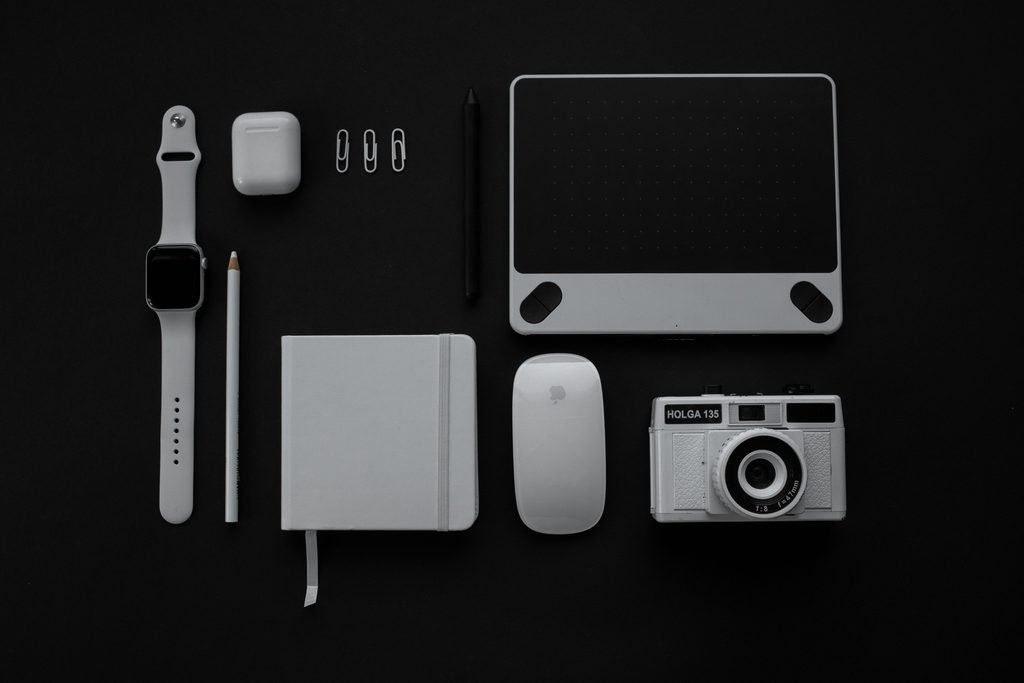
Smartwatches and other wearable devices can collect information such as movement, activity, and other measurements depending on the device and its features.
These devices can help users understand aspects of their daily activity.
Businesses and developers are also exploring ways to use wearable technology in workplaces, sports, research, and other applications.
Privacy is an important consideration because wearable devices can generate personal data over long periods.
Users should understand what information a device collects and how that information is handled.
8. Green Technology Is Becoming More Important
Environmental concerns are influencing technological development in areas such as energy, transportation, manufacturing, buildings, and resource management.
Green technology can include:
- Renewable-energy systems
- Energy-storage technology
- Efficient buildings
- Electric transportation
- Smart energy management
- Recycling technology
- Resource-monitoring systems
The objective is not simply to create new products but to improve how resources are produced, distributed, consumed, and managed.
9. Smart Buildings Are Changing Construction

Modern buildings can incorporate sensors, automated controls, digital models, energy-management systems, and connected equipment.
A smart building may monitor conditions such as temperature, occupancy, lighting, and energy consumption.
Benefits for Building Owners
Technology can potentially help with:
- Energy management
- Equipment monitoring
- Maintenance planning
- Occupant comfort
- Building security
- Operational efficiency
For construction and engineering companies, digital tools can also improve coordination during design and construction.
10. Digital Twins Could Improve Maintenance
Digital twins can connect digital models with information from real-world systems.
Consider a large industrial machine.
Instead of relying only on periodic physical inspections, sensors can provide information about how the machine is operating.
That information can be connected to a digital representation of the machine.
Engineers can then use the available data to understand the system and investigate potential maintenance requirements.
This technology is particularly relevant to manufacturing, infrastructure, energy, and large buildings.
11. Cybersecurity Will Remain Essential
More technology means more digital accounts, devices, applications, and information.
That makes cybersecurity an important part of everyday technology use.
Individuals should consider basic protections such as:
- Strong passwords
- Multi-factor authentication
- Software updates
- Secure backups
- Careful handling of suspicious messages
- Reviewing application permissions
Businesses should also have policies for managing employee accounts, sensitive information, software access, and backups.
Cybersecurity should be treated as an ongoing process rather than a single installation.
12. Privacy Is Becoming a Technology Skill
Privacy is no longer only a legal or technical issue.
Ordinary users interact with systems that may collect personal information every day.
Before using an application or connected device, users should consider what information is collected and why.
Important questions include:
- Does the service collect location information?
- Does it store personal documents?
- Does it share information with third parties?
- Can users delete their data?
- What account-security options are available?
Understanding these questions can help people make more informed technology choices.
13. Digital Commerce Is Expanding
Online commerce continues to change how businesses sell products and services.
A modern business can combine:
- Websites
- Mobile applications
- Digital payments
- Online advertising
- Customer-management systems
- Automated communication
- Data analytics
This gives smaller companies opportunities to reach customers outside their immediate geographic area.
However, competition online can also be intense.
A digital business still needs good products, customer service, reliable delivery, and a clear reason for customers to choose it.
14. Technology Is Changing Customer Expectations
Customers increasingly expect businesses to provide accurate information quickly.
They may want:
- Online ordering
- Digital payments
- Fast communication
- Self-service options
- Product information
- Mobile-friendly websites
- Convenient support
Businesses that adopt technology should therefore consider the customer experience rather than simply adding more features.
A complicated website is not necessarily better than a simple website that answers customer questions clearly.
15. The Digital Divide Remains a Challenge
Technology can create opportunities, but access is not equal everywhere.
Factors such as internet availability, electricity, device costs, digital skills, and infrastructure can influence whether people benefit from modern technology.
This is particularly important when governments, schools, and businesses introduce digital-only services.
A technology solution should consider accessibility rather than assuming that everyone has the same devices, connectivity, or technical knowledge.
16. What Technology Skills Should People Learn?
Nobody can learn every new technology.
A better approach is to develop skills that remain useful across different tools.
AI Literacy
Understand how AI systems work at a practical level and learn to verify their output.
Data Literacy
Learn how to interpret basic charts, tables, measurements, and datasets.
Cybersecurity Awareness
Know how to protect accounts, devices, and sensitive information.
Digital Communication
Learn how to communicate effectively through email, collaboration platforms, and other digital tools.
Critical Thinking
Technology makes information easier to access, but it does not automatically make information accurate.
Critical thinking is therefore increasingly important.
17. How Small Businesses Can https://barakaale.com/Prepare
Small businesses do not need to adopt every technology trend.
A practical strategy is to identify the biggest operational problem first.
For example:
Problem: Employees spend too much time answering repetitive questions.
Possible solution: A customer-service knowledge base or AI-assisted support system.
Problem: Business information is scattered across different files.
Possible solution: A centralized cloud-based information system.
Problem: Manual reporting takes too much time.
Possible solution: Appropriate automation and reporting software.
The technology should follow the business need.
18. What Consumers Should Consider Before Buying New Technology
Before purchasing a new device or subscribing to a new service, consider more than the advertised features.
Check Compatibility
Will the product work with the devices you already own?
Check Total Cost
Include subscriptions, accessories, maintenance, and replacement costs.
Consider Privacy
Understand what data the device or application collects.
Consider Security
Check whether the manufacturer provides software updates and security support.
Think About Actual Use
A feature is valuable only if you will actually use it.
19. Technology and the Future of Small Entrepreneurship
Modern technology has lowered some barriers to starting digital businesses.
Entrepreneurs can use online platforms to market products, communicate with customers, sell services, manage projects, and collaborate with people in different locations.
AI can also assist with selected administrative and creative tasks.
But technology does not remove the fundamentals of entrepreneurship.
A sustainable business still requires:
- A real customer need
- A useful product or service
- Reliable delivery
- Customer trust
- Appropriate pricing
- Good financial management
- Adaptability
Technology can support these fundamentals, but it cannot replace them.
20. What Comes Nhttps://campaigns.celonis.com/process-optimization?utm_source=bing&utm_medium=cpc&utm_campaign=it&utm_term=latest%20new%20technology%20in%20it&utm_content=607180425_en_land_701ck00000SP7kXAAT__1333710199282147&_bt=&_bk=latest%20new%20technology%20in%20it&_bm=p&_bn=o&_bg=1333710199282147&msclkid=fafe6113ff9010c1484d0bba718c4d8aext?
The next stage of technological development will probably involve greater integration.
Instead of using AI, cloud computing, sensors, automation, and robotics as completely separate technologies, organizations may increasingly combine them into connected systems.
For example, a modern factory could use sensors to collect information, cloud infrastructure to store data, analytics to identify patterns, and AI-assisted software to help employees respond.
The same principle can apply to buildings, transportation, agriculture, healthcare, and other industries.
The exact pace of adoption will vary.
Some technologies will become mainstream, while others may remain specialized or continue developing for years.
Frequently Asked Questions
What are the most important technology trends in 2026?
Major trends include artificial intelligence, AI-assisted automation, robotics, connected devices, cloud computing, cybersecurity, digital twins, advanced energy systems, spatial computing, and digital commerce.
How does technology affect everyday life?
Technology affects communication, shopping, education, transportation, entertainment, work, home management, and access to information. The effect differs depending on the person’s location, resources, and needs.
Should every business adopt AI?
No. Businesses should first identify a genuine problem and then determine whether AI is an appropriate solution. In some cases, conventional software or a simpler process may be more suitable.
What is the biggest risk of modern technology?
There is no single risk. Important concerns include cybersecurity, privacy, inaccurate information, technology dependence, implementation costs, and unequal access.
How can someone prepare for future technology?
Develop adaptable skills such as AI literacy, digital communication, data literacy, cybersecurity awareness, critical thinking, and problem solving. Focus on understanding principles rather than relying on one specific software product.
Conclusion
New modern technology in 2026 is influencing both business and everyday life through developments in AI, automation, robotics, connected devices, cloud computing, digital payments, cybersecurity, energy systems, and immersive technology.
The most important lesson is that technological progress is not simply about owning the newest device or using the latest software. The real value comes from using technology to solve meaningful problems safely and efficiently.
Businesses can benefit by identifying specific needs, testing solutions, protecting data, training employees, and measuring results. Individuals can prepare by developing digital skills, understanding AI, protecting their online accounts, and learning how to evaluate technology critically.
As technology continues to evolve, adaptability may be more valuable than trying to predict exactly which individual product or platform will dominate the future.