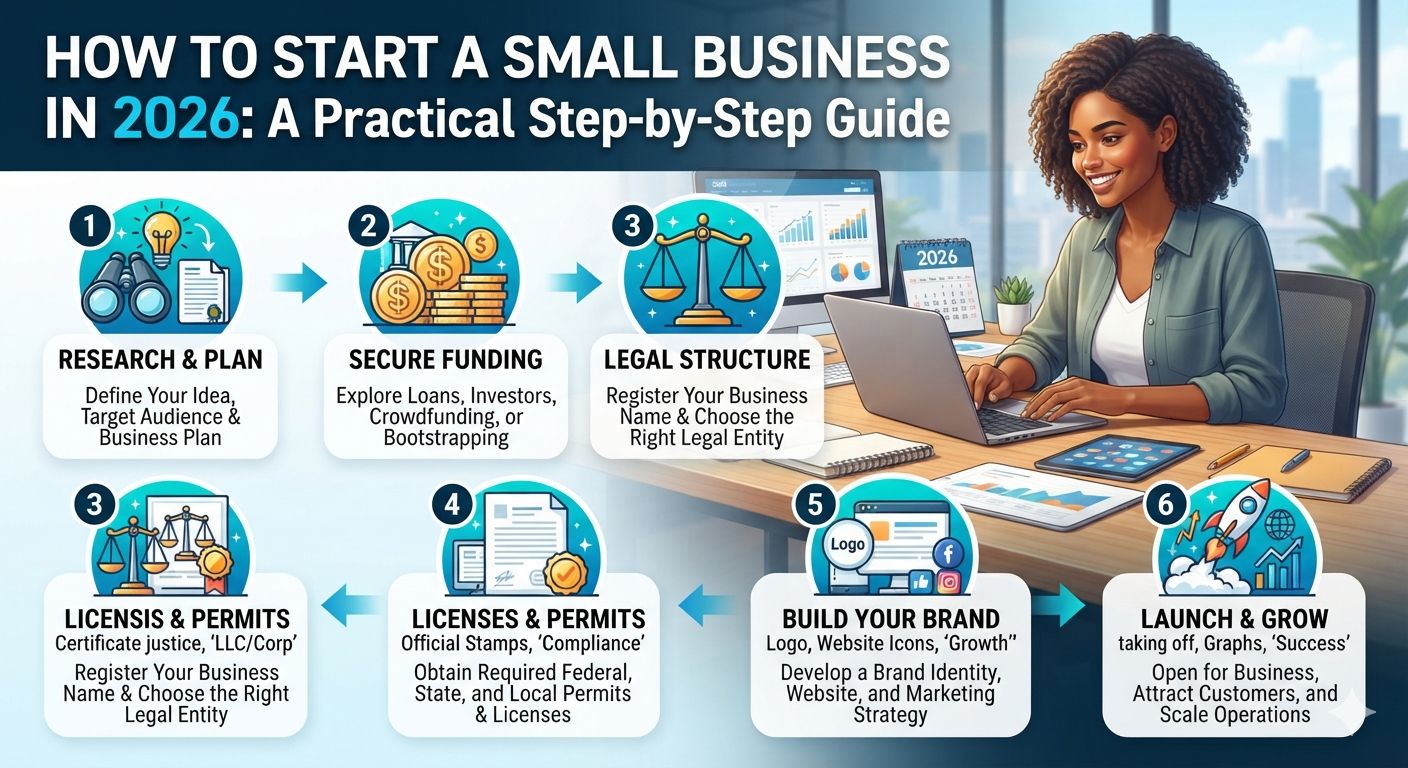
Growing a business isn’t just about increasing sales—it’s about building a strong foundation that supports long-term success. Whether you’re a new entrepreneur or have been running your company for years, understanding the right business growth strategies can help you attract more customers, increase revenue, and stay ahead of the competition.
Today’s business environment changes quickly. Customer expectations evolve, technology advances, and competitors constantly look for new ways to capture market share. That’s why every business owner needs a clear plan for sustainable growth instead of relying on luck.
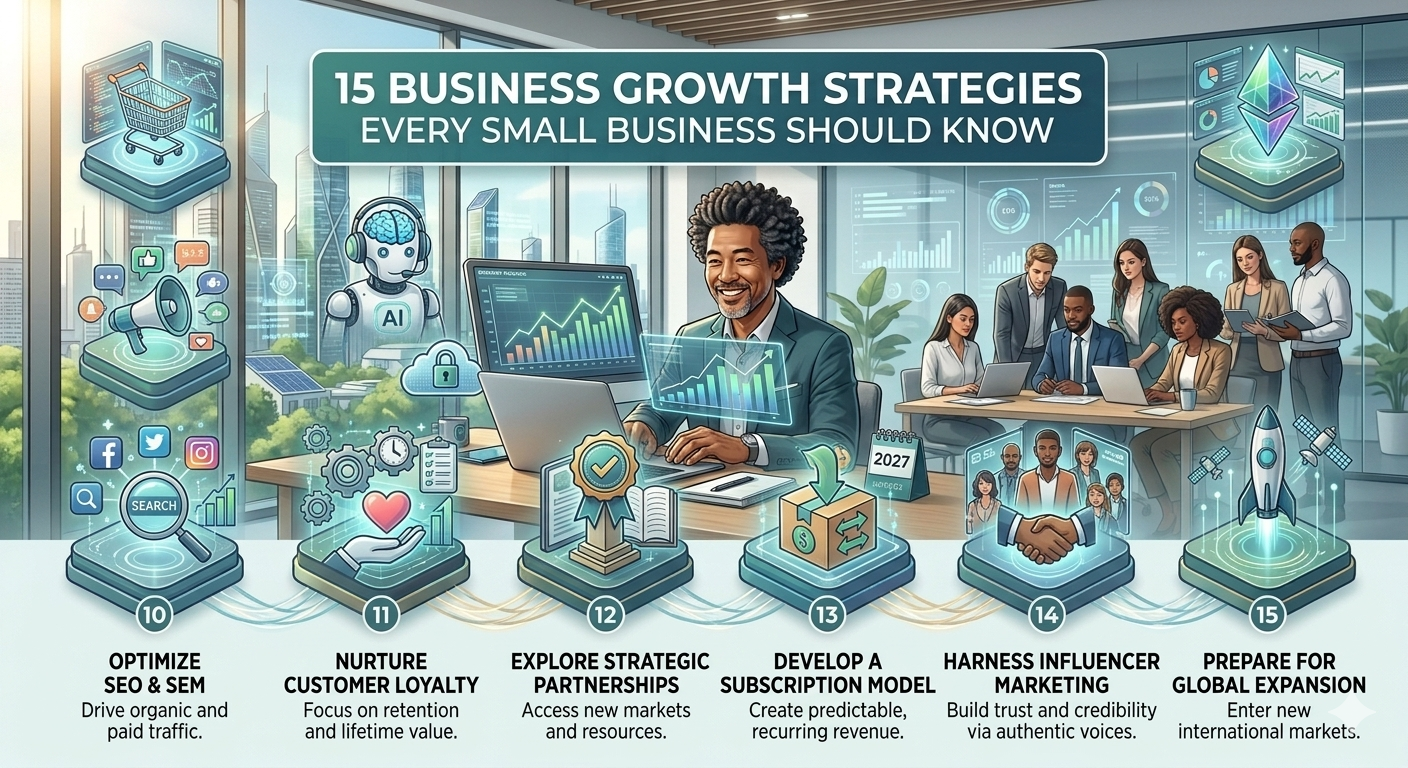
In this guide, you’ll discover 15 business growth strategies every small business should know. These practical techniques are easy to understand, actionable, and suitable for businesses across different industries.
Why Business Growth Strategies Matter
Many small businesses struggle not because they lack great products or services, but because they don’t have a strategy for growth. A well-planned approach helps you make smarter decisions, improve customer satisfaction, and increase profitability over time.
Effective business growth strategies can help you:
- Increase brand awareness.
- Reach new customers.
- Improve customer loyalty.
- Generate more revenue.
- Stay competitive in your industry.
- Build long-term financial stability.
Instead of trying random marketing ideas, focus on proven methods that produce measurable results.
1. Understand Your Target Audience
One of the most effective business growth strategies is understanding exactly who your customers are.
Take time to identify:
- Their age and interests.
- Their buying habits.
- Their biggest challenges.
- What motivates them to make a purchase.
- Where they spend time online.
The better you understand your audience, the easier it becomes to create products, services, and marketing campaigns that truly meet their needs.
Practical Tip
Create a simple customer profile that includes demographics, goals, pain points, and preferred communication channels. Use this profile to guide your business decisions.
2. Build a Strong Brand Identity
Customers are more likely to trust businesses with a consistent and professional brand.
Your brand includes more than just a logo. It also reflects your values, messaging, customer experience, and visual style.
A strong brand should have:
- A memorable business name.
- A professional logo.
- Consistent colors and fonts.
- A clear brand message.
- A unique value proposition.
When people recognize and trust your brand, they’re more likely to become repeat customers.
3. Focus on Excellent Customer Service
Outstanding customer service is one of the simplest yet most powerful business growth strategies.
Happy customers often:
- Return for future purchases.
- Recommend your business to others.
- Leave positive online reviews.
- Help build your reputation.
Respond to inquiries promptly, resolve issues professionally, and make every interaction a positive experience.
Small improvements in customer service can lead to significant business growth over time.
4. Improve Your Online Presence
In today’s digital world, your online presence often creates the first impression of your business.
Make sure you have:
- A professional website.
- Mobile-friendly pages.
- Fast loading speeds.
- Active social media accounts.
- Accurate business information.
A well-maintained online presence makes it easier for customers to find and trust your business.
5. Invest in Search Engine Optimization (SEO)
Search Engine Optimization helps potential customers discover your business through search engines.
Some important SEO practices include:
- Using relevant keywords naturally.
- Publishing high-quality content.
- Optimizing page titles and meta descriptions.
- Improving website speed.
- Creating internal links.
- Earning quality backlinks.
SEO requires patience, but it can generate consistent, long-term traffic without relying entirely on paid advertising.
6. Create Valuable Content
Content marketing continues to be one of the most effective business growth strategies.
Helpful content builds trust while demonstrating your expertise.
Examples include:
- Blog articles.
- Videos.
- Tutorials.
- Infographics.
- Case studies.
- Frequently asked questions.
- Email newsletters.
Focus on solving your audience’s problems instead of constantly promoting your products.
When people find value in your content, they’re more likely to become loyal customers.
7. Use Social Media Strategically
Social media offers businesses an opportunity to connect directly with customers.
Instead of trying to be active everywhere, focus on the platforms where your audience spends the most time.
Share a mix of:
- Educational posts.
- Behind-the-scenes updates.
- Customer success stories.
- Product demonstrations.
- Industry tips.
- Interactive polls and questions.
Consistency is more important than posting frequently. Develop a realistic schedule that you can maintain over time.
8. Build an Email Marketing List
Email marketing remains one of the highest-return business growth strategies because it allows you to communicate directly with your audience. Unlike social media, you own your email list, making it a valuable long-term asset.
To grow your email list:
- Offer a free guide, checklist, or discount in exchange for email sign-ups.
- Add subscription forms to your website.
- Encourage customers to join your newsletter during checkout.
- Share exclusive content with subscribers.
Send emails that provide value, such as helpful tips, product updates, and special offers. Avoid sending too many promotional messages, as this can lead to unsubscribes.
9. Encourage Customer Referrals
Satisfied customers are often your best marketers. A referral from a happy customer builds trust and can bring in new business without high advertising costs.
You can encourage referrals by:
- Offering referral rewards or discounts.
- Providing exceptional customer service.
- Asking satisfied customers to recommend your business.
- Making it easy for customers to share your products or services.
Word-of-mouth marketing remains one of the most effective business growth strategies for small businesses.
10. Expand Your Products or Services
As your business grows, look for opportunities to offer additional products or services that complement your existing offerings.
For example, if you own a bakery, you could introduce catering services. If you sell handmade products, you might offer custom designs or gift packages.
Before expanding, ask your customers what they need. Their feedback can help you make informed decisions and reduce the risk of launching products with little demand.
11. Use Data to Make Better Decisions
Successful businesses don’t rely on guesswork. They use data to understand what’s working and what needs improvement.
Track important metrics such as:
- Website traffic
- Sales performance
- Customer retention
- Conversion rates
- Marketing campaign results
- Average order value
Review these numbers regularly to identify trends and opportunities for growth.
Using data-driven business growth strategies allows you to make smarter decisions and improve your return on investment.
12. Form Strategic Partnerships
Collaborating with other businesses can help you reach new audiences and create mutually beneficial opportunities.
Examples include:
- Joint promotions
- Co-hosted events
- Affiliate partnerships
- Cross-promotions on social media
- Product collaborations
Choose partners whose products or services complement yours rather than compete with them.
Strong partnerships can increase brand awareness while reducing marketing costs.
13. Invest in Employee Development
If you have a team, your employees play a major role in your business’s success.
Provide opportunities for learning through:
- Training programs
- Workshops
- Online courses
- Mentorship
- Industry conferences
Employees who continue developing their skills are often more productive, motivated, and capable of delivering better customer experiences.
Investing in your team is one of the smartest long-term business growth strategies you can adopt.
14. Embrace Technology and Automation
Modern technology allows small businesses to save time and improve efficiency.
Consider using tools for:
- Customer relationship management (CRM)
- Email marketing automation
- Appointment scheduling
- Inventory management
- Accounting
- Project management
- AI-powered customer support
Automation reduces repetitive tasks, allowing you to focus on growing your business and serving customers.
15. Continuously Evaluate and Improve
Business growth isn’t a one-time achievement—it’s an ongoing process.
Regularly review your:
- Marketing strategy
- Customer feedback
- Financial performance
- Sales goals
- Product quality
- Business processes
Ask yourself:
- What’s working well?
- What could be improved?
- What new opportunities exist?
- What challenges need attention?
Small, consistent improvements often lead to significant long-term success.
How to Choose the Right Business Growth Strategies
Not every strategy will be equally effective for every business. The best approach depends on your industry, target audience, goals, and available resources.
When deciding which strategies to prioritize, consider:
- Your current business stage
- Customer needs
- Budget
- Team size
- Competition
- Long-term objectives
Start with one or two strategies, measure the results, and expand your efforts as your business grows.
Common Mistakes That Limit Business Growth
Even with the best intentions, many business owners make mistakes that slow their progress.
Some common mistakes include:
- Trying to target everyone instead of a specific audience.
- Ignoring customer feedback.
- Inconsistent marketing efforts.
- Neglecting SEO and content marketing.
- Poor financial planning.
- Failing to adapt to market changes.
- Overlooking employee development.
- Avoiding new technologies.
Recognizing these mistakes early can help you stay on the path to sustainable growth.
Benefits of Using Business Growth Strategies
Applying proven business growth strategies can provide many long-term advantages, including:
- Increased revenue
- Higher customer satisfaction
- Better brand recognition
- Improved customer loyalty
- Stronger competitive position
- Greater operational efficiency
- More opportunities for expansion
- Long-term business sustainability
Consistent effort and strategic planning often produce better results than short-term tactics focused only on quick sales.
90-Day Business Growth Action Plan
Implementing effective business growth strategies becomes easier when you have a clear plan. Instead of trying to improve every area of your business at once, focus on steady progress over the next 90 days.
Days 1–30: Strengthen Your Foundation
During the first month, evaluate your current business and identify areas that need improvement.
Focus on these tasks:
- Review your business goals.
- Analyze your competitors.
- Identify your target audience.
- Improve your website and social media profiles.
- Optimize your website for SEO.
- Collect customer feedback.
- Set measurable growth goals.
By the end of the first month, you should have a clearer understanding of your strengths, weaknesses, and opportunities.
Days 31–60: Increase Visibility
The second month should focus on attracting more potential customers.
Recommended activities include:
- Publish valuable blog articles.
- Create educational social media content.
- Start an email newsletter.
- Launch a referral program.
- Collaborate with complementary businesses.
- Ask satisfied customers for online reviews.
- Monitor your marketing performance.
The goal is to increase brand awareness while building trust with your audience.
Days 61–90: Optimize and Scale
Once you’ve generated momentum, focus on improving results.
Key priorities include:
- Review website analytics.
- Improve conversion rates.
- Expand successful marketing campaigns.
- Automate repetitive tasks.
- Introduce complementary products or services.
- Strengthen customer relationships.
- Set new quarterly goals.
Growth is a continuous process of testing, measuring, and improving.
Business Growth Checklist
Use this checklist to stay on track as you apply these business growth strategies.
Business Planning
- Define clear business goals.
- Understand your target audience.
- Research competitors.
- Review your pricing strategy.
Branding
- Maintain consistent branding.
- Update your website regularly.
- Use professional visuals.
- Strengthen your brand message.
Marketing
- Publish helpful content consistently.
- Improve your SEO.
- Stay active on relevant social media platforms.
- Build your email list.
- Track marketing performance.
Customer Experience
- Respond quickly to customer inquiries.
- Collect customer reviews.
- Improve customer support.
- Reward loyal customers.
Financial Management
- Track income and expenses.
- Review monthly profits.
- Control unnecessary costs.
- Reinvest in business growth.
Completing these tasks regularly helps create a stronger and more resilient business.
Frequently Asked Questions
What are business growth strategies?
Business growth strategies are planned actions that help a company increase revenue, attract more customers, improve efficiency, and achieve long-term success. These strategies can include marketing, customer service, product development, partnerships, and operational improvements.
Which business growth strategy works best?
There isn’t a single strategy that works for every business. The most effective approach depends on your industry, target market, and goals. Many successful businesses combine several strategies, such as SEO, content marketing, email marketing, and excellent customer service.
How long does it take to see business growth?
Some improvements, like better customer service or social media engagement, may show results within weeks. Others, such as SEO and brand building, often take several months to produce significant results. Consistency is the key to long-term success.
Can small businesses compete with larger companies?
Yes. Small businesses often have advantages such as personalized customer service, faster decision-making, and stronger relationships with customers. By focusing on quality, innovation, and customer experience, small businesses can successfully compete in many markets.
How often should I review my business growth strategy?
It’s a good idea to review your performance every month and conduct a more detailed evaluation every quarter. Regular reviews help you identify opportunities, solve problems early, and adjust your strategy as market conditions change.
Expert Tips for Sustainable Business Growth
As your business grows, keep these best practices in mind:
- Focus on solving real customer problems.
- Set realistic and measurable goals.
- Build long-term relationships instead of chasing quick sales.
- Stay informed about industry trends.
- Invest in technology that improves efficiency.
- Learn from both successes and mistakes.
- Continue developing your leadership and communication skills.
- Adapt quickly to changes in customer behavior.
Businesses that remain flexible are often better prepared for future challenges and opportunities.
Final Thoughts
Applying the right business growth strategies can transform a small business into a stronger, more competitive, and more profitable company. Growth doesn’t happen by chance—it comes from making informed decisions, understanding your customers, and consistently improving every part of your business.
Start by focusing on the strategies that will have the greatest impact on your current goals. Build a recognizable brand, deliver outstanding customer service, invest in digital marketing, monitor your results, and continue learning as your business evolves.
Remember that sustainable growth takes time. Every improvement you make—whether it’s optimizing your website, strengthening customer relationships, or introducing new products—contributes to your long-term success.
By implementing these 15 business growth strategies every small business should know, you’ll be better equipped to overcome challenges, seize new opportunities, and build a business that continues to grow for years to come.
Success is not about making one big change. It’s about making small, consistent improvements that create lasting results. Start with one strategy today, measure your progress, and keep building momentum toward your business goals.
How to Measure the Success of Your Business Growth Strategies
Implementing business growth strategies is only half the process. To know whether your efforts are paying off, you need to measure your results regularly. Tracking the right metrics helps you identify what works, what needs improvement, and where to invest your time and resources.
Revenue Growth
One of the clearest indicators of business success is increasing revenue. Compare your monthly, quarterly, and yearly sales to identify growth trends.
Ask yourself:
- Are sales increasing consistently?
- Which products or services generate the most revenue?
- Which marketing campaigns drive the highest sales?
Tracking revenue helps you make informed decisions about future investments.
Customer Acquisition
Understanding how many new customers your business gains each month is essential.
Monitor:
- Number of new customers
- Cost of acquiring each customer
- Marketing channels that generate the most leads
- Conversion rates from visitors to buyers
Reducing customer acquisition costs while increasing conversions leads to healthier business growth.
Customer Retention
Keeping existing customers is often more cost-effective than acquiring new ones.
Measure:
- Repeat purchase rate
- Customer loyalty
- Subscription renewals
- Returning website visitors
Strong customer retention usually indicates that your products, services, and customer experience meet expectations.
Website Performance
If your business has a website, monitor important metrics such as:
- Total visitors
- Organic search traffic
- Bounce rate
- Average time on page
- Most popular pages
- Conversion rate
These insights help you improve both user experience and search engine performance.
Low-Cost Business Growth Strategies
Growing your business doesn’t always require a large marketing budget. Many effective strategies are affordable and deliver long-term results.
Publish Helpful Blog Content
Writing informative articles that answer customer questions helps attract organic traffic through search engines while establishing your expertise.
Build Relationships on Social Media
Instead of focusing only on promotions, engage with your audience by answering questions, responding to comments, and sharing useful information.
Encourage Customer Reviews
Positive reviews increase trust and influence purchasing decisions. Ask satisfied customers to leave reviews on platforms relevant to your business.
Improve Customer Service
Exceptional customer service encourages repeat business and referrals without additional advertising costs.
Network with Other Business Owners
Attend local events, online communities, and industry groups to build relationships that may lead to referrals, partnerships, and collaboration opportunities.
Adapting Your Business Growth Strategies to Market Changes
Markets evolve constantly. Customer preferences, technology, and industry trends change over time, making adaptability an essential part of business success.
To remain competitive:
- Monitor industry developments.
- Listen carefully to customer feedback.
- Test new marketing ideas.
- Update your products or services based on demand.
- Stay informed about emerging technologies.
- Review your strategy every quarter.
Businesses that adapt quickly are better positioned to seize new opportunities and overcome challenges.
Building a Growth-Oriented Company Culture
If you have employees, creating a culture focused on growth can significantly improve business performance.
Encourage your team to:
- Share ideas for improvement.
- Learn new skills.
- Collaborate effectively.
- Focus on customer satisfaction.
- Embrace innovation.
- Solve problems proactively.
Recognizing employee contributions and encouraging continuous learning creates a more motivated and productive workforce.
Real-World Example
Imagine a local coffee shop that wants to increase sales. Instead of relying on a single marketing tactic, the owner combines several business growth strategies:
- Creates a loyalty rewards program.
- Posts short videos on social media.
- Collects customer email addresses for promotions.
- Partners with nearby businesses.
- Introduces seasonal drinks based on customer feedback.
- Improves the shop’s website for local SEO.
Within several months, the coffee shop experiences more repeat customers, stronger community engagement, and increased monthly revenue. This example shows how combining multiple strategies often produces better results than relying on just one.
Mistakes to Avoid When Growing Your Business
Many businesses slow their growth by making avoidable mistakes. Watch out for these common challenges:
- Expanding too quickly without sufficient planning.
- Ignoring customer feedback.
- Neglecting cash flow management.
- Focusing only on acquiring new customers while overlooking existing ones.
- Inconsistent branding across different platforms.
- Avoiding technology that could improve efficiency.
- Failing to measure marketing performance.
- Making decisions based on assumptions instead of data.
Recognizing these mistakes early allows you to adjust your approach before they affect your long-term success.
Key Lessons from Successful Small Businesses
Many thriving businesses share similar habits that contribute to their growth:
- They understand their customers deeply.
- They focus on delivering consistent value.
- They build trust through transparency and reliability.
- They invest in marketing consistently.
- They embrace innovation without losing sight of customer needs.
- They monitor performance and make data-driven decisions.
- They view challenges as opportunities to improve.
These habits may seem simple, but consistently applying them can create a strong foundation for sustainable growth.
Preparing for Long-Term Success
Business growth isn’t just about increasing sales this month—it’s about building a company that can continue to thrive in the future.
To prepare for long-term success:
- Review your goals regularly.
- Continue learning new skills.
- Strengthen customer relationships.
- Invest in your team.
- Improve operational efficiency.
- Stay financially disciplined.
- Remain flexible as markets evolve.
The businesses that achieve lasting success are those that combine careful planning with continuous improvement.
By applying these business growth strategies consistently, you’ll be better equipped to overcome obstacles, attract loyal customers, and build a resilient business that continues to grow year after year.
Future Business Growth Trends Every Small Business Should Watch
As markets continue to evolve, staying informed about emerging trends can help your business remain competitive. Successful entrepreneurs don’t just react to change—they prepare for it. Incorporating these trends into your business growth strategies can position your business for long-term success.
Artificial Intelligence (AI)
AI is transforming how businesses operate. Small businesses can now use AI tools to:
- Create marketing content.
- Automate customer support.
- Analyze business data.
- Improve productivity.
- Generate product descriptions.
- Schedule social media posts.
Using AI wisely allows business owners to save time while focusing on higher-value activities like customer relationships and business development.
Personalized Customer Experiences
Today’s customers expect businesses to understand their needs and preferences.
You can create personalized experiences by:
- Recommending relevant products.
- Sending targeted email campaigns.
- Remembering customer preferences.
- Offering personalized discounts.
- Following up after purchases.
Personalization helps increase customer satisfaction and encourages repeat business.
Video Marketing
Short-form and long-form videos continue to play a major role in digital marketing.
Ideas include:
- Product demonstrations
- Customer testimonials
- Behind-the-scenes videos
- Educational tutorials
- Frequently asked questions
- Business updates
Video content helps businesses connect with audiences in a more engaging and authentic way.
Mobile-Friendly Experiences
A large percentage of customers browse websites using smartphones. Make sure your business offers:
- Fast-loading pages
- Mobile-responsive design
- Easy navigation
- Simple checkout processes
- Click-to-call contact options
A positive mobile experience can improve customer satisfaction and conversion rates.
Sustainable Business Practices
Consumers increasingly appreciate businesses that operate responsibly.
Simple ways to support sustainability include:
- Reducing unnecessary waste.
- Using recyclable packaging.
- Supporting local suppliers when possible.
- Conserving energy.
- Promoting environmentally friendly products.
Responsible business practices can strengthen your brand image and build trust with customers.
Creating a Long-Term Business Growth Plan
Strong business growth strategies should support both short-term achievements and long-term success.
Your long-term growth plan should include:
Clear Goals
Define realistic one-year, three-year, and five-year business objectives.
Examples include:
- Increasing annual revenue.
- Expanding into new markets.
- Launching new products.
- Growing your customer base.
- Hiring additional employees.
Having clear goals helps keep your business focused.
Financial Planning
Growth requires careful financial management.
Review your:
- Monthly revenue
- Operating expenses
- Profit margins
- Cash flow
- Emergency savings
Healthy finances provide flexibility during both opportunities and challenges.
Risk Management
Every business faces risks.
Prepare by:
- Diversifying income sources.
- Maintaining emergency funds.
- Backing up important business data.
- Reviewing insurance needs.
- Creating contingency plans.
Planning ahead reduces the impact of unexpected challenges.
Continuous Learning
Successful entrepreneurs never stop learning.
Stay informed by:
- Reading business books.
- Following industry news.
- Taking online courses.
- Attending conferences.
- Networking with other professionals.
Continuous learning helps you adapt to changing market conditions.
Quick Summary of the 15 Business Growth Strategies
Let’s recap the key strategies discussed throughout this guide:
- Understand your target audience.
- Build a strong brand identity.
- Deliver outstanding customer service.
- Strengthen your online presence.
- Invest in SEO.
- Create valuable content.
- Use social media strategically.
- Build an email marketing list.
- Encourage customer referrals.
- Expand your products or services.
- Make data-driven decisions.
- Form strategic partnerships.
- Invest in employee development.
- Embrace technology and automation.
- Continuously evaluate and improve.
These business growth strategies work best when implemented consistently rather than all at once.
Final Business Growth Checklist
Before moving forward, review this checklist to ensure your business is on the right path.
Business Planning
- Set clear business goals.
- Review your business plan.
- Monitor your competition.
- Understand your target audience.
Marketing
- Improve your SEO.
- Publish valuable content regularly.
- Build your email list.
- Stay active on social media.
- Encourage customer referrals.
Customer Experience
- Respond quickly to inquiries.
- Collect and act on feedback.
- Reward loyal customers.
- Deliver consistent quality.
Financial Management
- Track expenses.
- Monitor profits.
- Review cash flow.
- Reinvest wisely.
Growth
- Learn continuously.
- Adopt useful technology.
- Measure business performance.
- Adapt to market changes.
- Review your growth strategy regularly.
Use this checklist every quarter to identify strengths and areas for improvement.
Conclusion
Implementing effective business growth strategies is one of the most important investments you can make in your business. Growth doesn’t happen by chance—it results from careful planning, consistent execution, and a willingness to adapt to changing customer needs and market conditions.
The fifteen strategies covered in this guide provide a practical roadmap for building a stronger, more resilient business. From understanding your audience and strengthening your brand to improving customer service, embracing technology, and making data-driven decisions, each strategy contributes to sustainable long-term success.
Remember that you don’t need to implement every strategy at once. Begin with the areas that will have the greatest impact on your business today. Measure your progress, learn from your results, and continue refining your approach over time.
Every successful business, regardless of its size, grows through consistent improvement rather than overnight success. Focus on delivering genuine value, building trust with your customers, and staying committed to your long-term vision.
As markets continue to evolve, businesses that remain flexible, innovative, and customer-focused will be better positioned to seize new opportunities and overcome future challenges.
Now is the perfect time to put these business growth strategies into action. Start with one meaningful improvement today, build momentum through consistent effort, and watch your business grow stronger with each step you take. Long-term success begins with the decisions you make today, and every positive action brings you closer to achieving your business goals.